
Spend a few minutes scrolling any social platform and you will see it. Promotion announcements, milestone celebrations, polished reflections on success. Education is no exception. In many ways it has become part of the rhythm. Do the work, then share the work.
There is value in that. Celebrating students, staff, and community matters.
But I keep coming back to the moments that never make it online.
A quiet conversation with a student who just needed someone to listen.
A teacher staying late because they care, not because anyone will notice.
Families fully engaged in a school event, present with each other instead of documenting it.
Those are the moments that stay with you. Most of them never get posted.
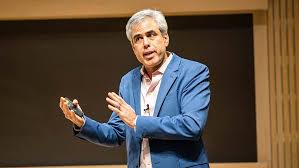
Social platforms are not neutral spaces. They are designed environments. Renowned psychologist Jonathan Haidt (https://jonathanhaidt.com/) has written extensively about how the rise of smartphones and social media, especially since the early 2010s, has reshaped how people experience connection, validation, and even identity. His work points to clear increases in anxiety and depressive symptoms among young people during that same period, trends that closely align with constant access to these platforms and the feedback loops they create.
It is not just about students. It is about all of us.
When attention is the currency, behavior adjusts. We share more. We think about how something will be received while we are still experiencing it. We start to measure impact through engagement. At some point it becomes harder to tell the difference between doing meaningful work and being seen doing meaningful work.
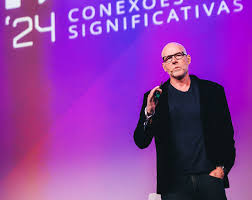
NYU professor, renowned podcaster and entrepreneur Scott Galloway (https://scottgalloway.profgmedia.com/) talks about this in a different way. He often points out how digital spaces have amplified status signaling. Success is no longer just something you experience. It is something you present. For many people, especially younger professionals, there is an added pressure to show progress in real time, even when that progress is still unfolding.
You can feel it across every corner of education – schools, district offices, and support areas alike. The quiet expectation to share wins, highlight momentum, and keep the narrative moving forward.
There is nothing inherently wrong with that. But it is worth asking where the line is between sharing and performing.
In schools, the work that matters most is rarely public.
It is relational. It builds over time. It is often invisible to anyone not directly involved.
The strongest leaders and educators I know are not focused on building a personal brand. They are focused on creating conditions where people can do their best work. Supporting staff when no one else sees it. Building trust with families over time. Showing up for students on the days that are not easy.
A lot of the most meaningful work happening across our schools and community would never translate into a post. That is not a gap. That is the point.
There is also a cost to always being on.
When everything becomes something to share, it changes how you experience it. Reflection can turn into reaction. Purpose can slowly shift toward perception. Even in spaces filled with good people doing important work, comparison finds a way in.
Haidt’s research speaks to the impact of those feedback loops on well being. Galloway’s work reinforces how they shape how we define success in the first place.
In education, where the work already asks a lot of you, that tension matters. The work is too important to be driven by optics.
I have been thinking more about what it looks like to be intentional here. To share when it adds value. To celebrate others without making it about myself. To recognize that not every meaningful moment needs to be documented to count.
Through my work in schools, across the community, and in alumni engagement, I have had the opportunity to be part of a lot of meaningful experiences. I am proud of that. At the same time, I am learning that the value of those moments is not determined by how they perform online. It is determined by who they impact and whether that impact lasts.
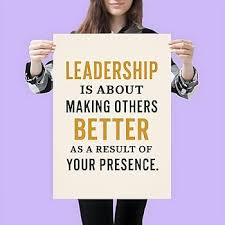
It might be worth rethinking how we measure leadership.
Not by visibility, but by consistency.
Not by engagement, but by trust.
Not by how often we are seen, but by how often we show up.
Social platforms are not going anywhere. They can be useful and they can build real connection when used with purpose. But the best leaders I know are not focused on being noticed. They are focused on making sure others are.
There is nothing wrong with sharing your work. But not all work needs an audience to be meaningful.
In a space that constantly pulls for attention, there is something steady about choosing impact.
Lead well when no one is watching. That is the part that actually lasts.
 BrendanFetters.com