Why a Thank You Can Change a School — Even on the Hard Days

There’s a point every school year — usually somewhere between a chaotic morning arrival, a hallway conversation with a student who just needs someone to listen, and the third fire drill of the quarter — when I have to remind myself to stop and take inventory of what’s actually holding our school together.

It’s never the systems.
It’s never the spreadsheets.
It’s always the people.

Over the years, I’ve learned that the most powerful tool I have as a school leader doesn’t cost a thing and nor does it require extensive professional learning: a genuine thank you.

When you work in a building where everything is urgent, it’s easy to start operating like gratitude is optional. But I’ve found the opposite is true: the more pressure we’re under, the more essential taking time to show sincere gratitude becomes.

Some of the most grounding moments of my day happen in the tiny spaces between tasks:

  • Thanking a member of our custodial team who quietly cleared a spill before most people even noticed it
  • Stopping by a classroom to tell a teacher, “Hey, that lesson today? You had them. That was good work.”
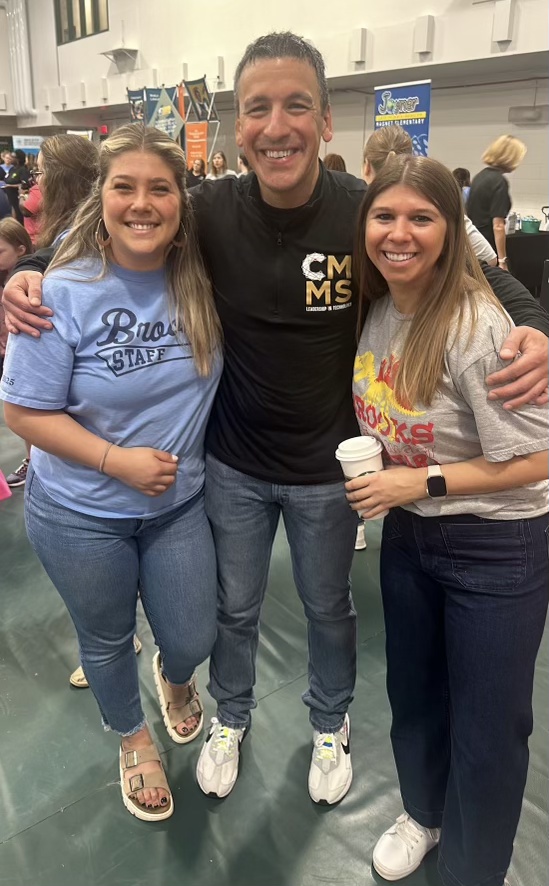
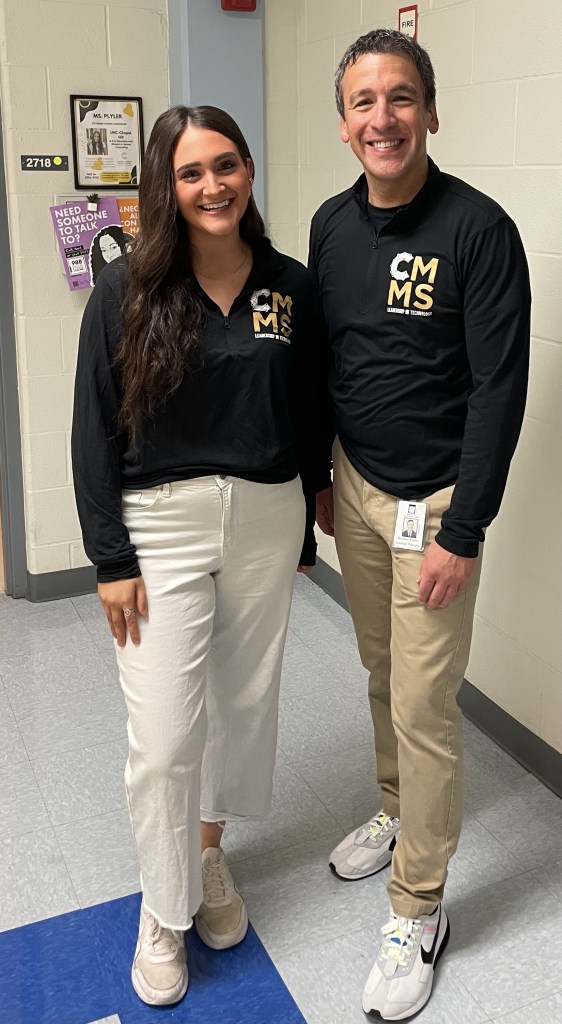
  • Telling your grade level counselor that you saw the way she handled a tough parent meeting with grace.
  • Pointing out to a front office teammate that her calm presence is the reason the day didn’t unravel at 7:05 AM.

Those acknowledgments take seconds.
But they change trust.
And trust changes a building.

Schools go through seasons. Some feel light; others feel heavy. Some years the climate shifts week to week. But what I’ve seen consistently is that people feel steady when they feel seen.

I think about the moments that happen behind the scenes — the kind that rarely get mentioned in newsletters:

  • The teacher who quietly checked on a student going through something at home.
  • The counselor who stayed late to support a family no one else could get ahold of.
  • The core team that turned a small idea into something that made 100 students feel proud.
  • The teammate who brought laughter into a meeting that was heading toward stress.

When I recognize those things — even in a quick “Hey, I noticed that” — I watch shoulders ease. People breathe differently when they know their work isn’t invisible.

Thank-yous reshape culture in ways data never captures.

There was a morning not long ago when a student walked into my office — unprompted — and said, “I just want to thank you for always checking on me.” It wasn’t a big, dramatic moment. It was simple. Human. And it reminded me that appreciation is contagious.

When students hear thank-yous exchanged among adults…
When they watch teachers affirm each other…
When they see leaders shout out a bus driver, or a cafeteria worker, or a teammate behind the desk…

…it becomes normal for them to practice gratitude too.

And honestly? That may be one of the most culture-shifting things we can teach.

The more intentional I’ve become about expressing appreciation in the building, the more it’s shaped the rest of my life.

I’ve learned to thank the people who love me, the friends who show up, the partner who sees the parts of my day that no one else sees, the family who holds space for me when I’m tired. Gratitude has a way of softening you — of reminding you to pay attention to what’s working, not just what’s hard.

No matter the season.
No matter the climate.
No matter the pressure of the day.

Genuine gratitude costs nothing.
But it returns everything.

If you want a school to feel different, start with appreciation.
If you want people to feel valued, say the words out loud.
If you want culture to shift, notice the humans doing the quiet work.

And if you’re tired, overwhelmed, or unsure where to begin — start with this:

Thank you.
For showing up.
For choosing this work.
For giving more than people ever see.

We can’t control everything in a school, but we can control how we care for the people in it. And in my experience, that changes everything.


Kicking off 2025-26 on the right foot

Summer planning is winding down. More and more faculty members are making their way into the building the past few weeks to get a jump on creating hallway signage, arranging classroom spaces, planning, etc. Our staff kickoff is a matter of days away and our students return in a week. 2025-26 is coming.

There are countless advice articles out there from ASCD and other reputable sources ahead of a new school year for faculty and staff of all walks to get information from. A sampling:

https://www.edutopia.org/article/realistic-goal-setting-teachers/

https://steinhardt.nyu.edu/ihdsc/path-program/path-perspectives/top-10-tips-starting-school-year-strong

https://www.edutopia.org/article/school-leaders-back-to-school-resources/

This is an exciting time but can easily be overwhelming even for veteran educators. So much to do, so little time before the students arrive in a matter of days. So many boxes to check — district, state and federal mandated items, building specific areas, time and space with grade level and content teams — the list goes on. This can be stressful.

Routines. To assist routines are essential. Start them before the school year begins on a smaller scale to get “in the swing” of things. getting enough sleep, eating healthy, and exercising regularly all items I’ve blogged about in the past. 

Positive thoughts. Focusing on the positive aspects of returning to school, like seeing colleagues, students, families and learning new things, can assist in counteracting negative thoughts.

As a school leader specifically there are a long list of items I try my best to utilize to support the faculty and staff I lead in the beginning of the year and ongoing. These include…

1. Cultivate a Culture of Trust and Transparency:

  • Build strong relationships. Prioritize building positive relationships with staff, students, and families from the outset. Essential early, often and ongoing. Authentic.
  • Open communication. Create a culture where open and honest communication is encouraged, fostering a sense of security and belonging. Teamwork – approachability, willingness to listen, while being open to adapting.
  • Transparency. Be transparent about your vision, goals, and decision-making processes. 
  • Regular check-ins. Hold regular meetings, both formal and informal, to facilitate open dialogue and address concerns. 

2. Set Clear Goals and Expectations:

  • Define a shared vision. Articulate a clear vision for the school year, ensuring it aligns with the needs of the school and community.
  • Establish authentic goals. Work with your team to set specific, measurable, achievable, relevant, and time-bound goals for the school year that are both authentic and meaningful.
  • Communicate roles and responsibilities. Clearly define the roles and responsibilities of each team member in achieving the shared goals.

3. Provide Support and Resources:

  • Coaching and mentoring: Offer coaching and mentoring to help staff develop their leadership skills and build confidence. As I’ve blogged about in the past, this is truly a win-win as a leader – building capacity in others while increasing their confidence and scope as professionals.

4. Lead by Example:

  • Model positive behaviors. Demonstrate the behaviors and attitudes you want to see in your staff and students. Professional, model what you want from the professionals you lead.
  • Be a lifelong learner. Show my own commitment to continuous learning and improvement, inspiring others to do the same. 
  • Celebrate successes. Acknowledge and celebrate both individual and collective achievements, creating a positive and motivating atmosphere. Small or large – celebrate the wins.

5. Embrace Adaptability and Resilience:

  • Be flexible. Be prepared to adapt to changing circumstances and adjust your plans as needed.
  • Maintain a positive attitude. Cultivate a positive and optimistic outlook, even in the face of adversity. This can be easier said than done some days but as a school leader — eyes are always watching. Attitude is everything — especially in this role.

Here is to a wonderful new school year. We’ve got this.

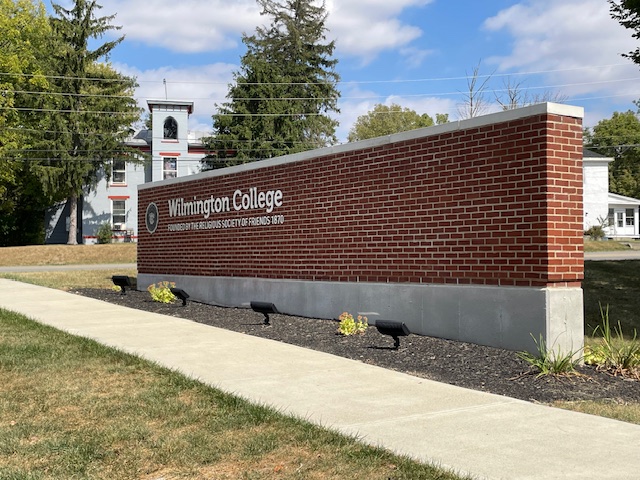
#WhyD3 – Love for my undergraduate institution and the small college atmosphere

All my life two things have persisted. I’ve been an “old soul” and have tended to do my own thing rarely given into pressures no matter how small or large.

Growing up in Ohio it was pretty much expected I would go to The Ohio State University. Being in south-central Ohio all my K-12 life — becoming a Buckeye is often the next step for many. Especially given my parents, numerous aunts and uncles on both sides of the family were alumni. I grew up all around it. Football games every fall, the university came up in some capacity at every family function and growing up an hour from Columbus — you couldn’t avoid it. With the addition of two successful professional sports teams things have changed but as a kid — OSU essentially was the main aspect of the city.

However, I had little to no interest. Way too large. OSU was a city within the city. I wanted to do my own thing. University of Dayton? Too large. Xavier University? Still a bit too large for my liking. John Carroll University? Beautiful campus and right size but the scholarships weren’t enough to make it happen, unfortunately.

However, while JCU didn’t work out — another school in the same conference much closer to my hometown came through with scholarships and when I visited — everything clicked. It was home. Wilmington College.

So the Catholic kid from small town Ohio landed on a beautiful Quaker institution just one county over. Doing my own thing once again.

That was 25 years ago when the journey began. As an undergraduate student, I was immediately taken in by the faculty and staff. Small class sizes and dorms you really got to know everyone on campus – student and faculty alike. A true campus community.

The campus community pushed me in ways I never realized. Socially, leadership opportunities galore and intellectually.

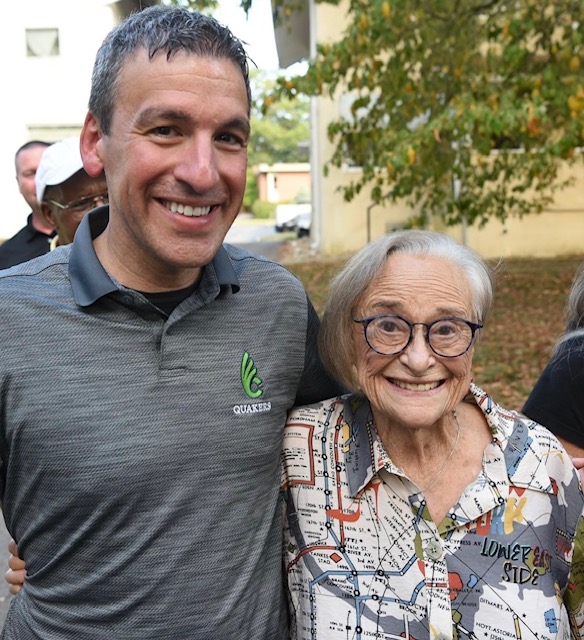
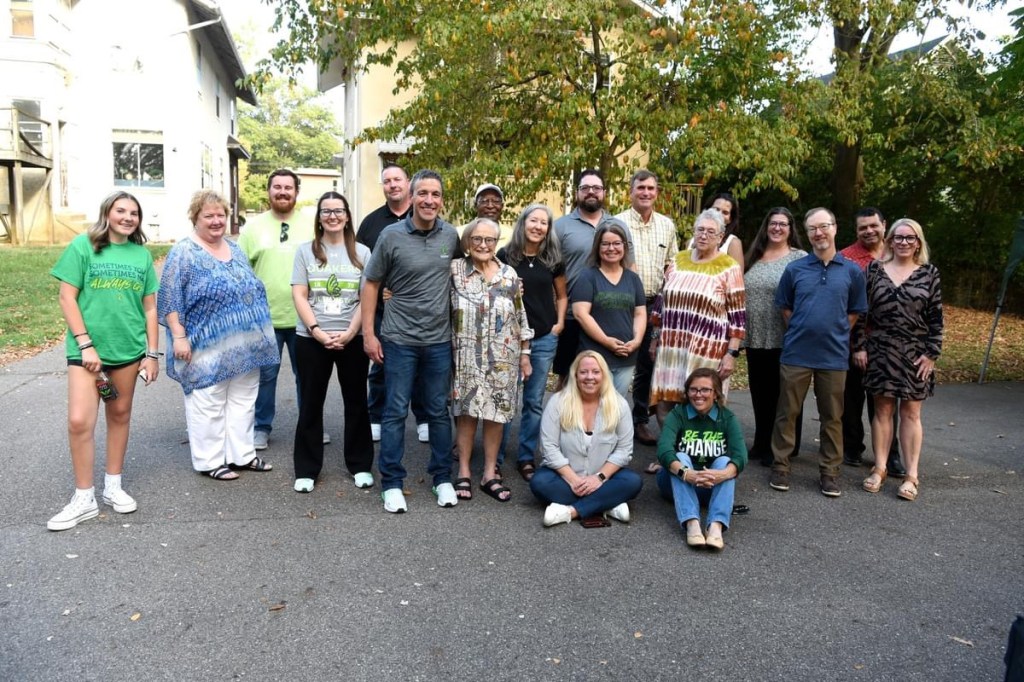
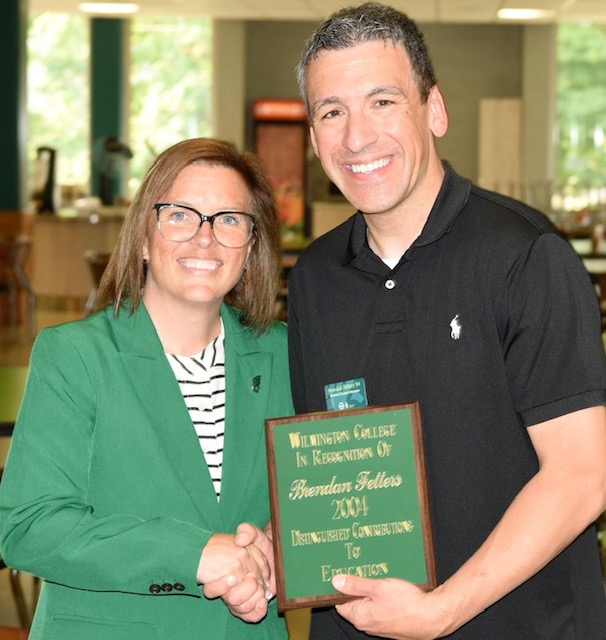
Fast forward to today. I look back with pride on how much the university has meant to me both as an undergrad and many years into my alumni journey. Giving back to the college fiscally is never enough. Nor is being active on alumni advisory council. Being several states away, I still try to get back on campus at least annually and maintain friendships with faculty and fellow students from my undergraduate days while bonding new connections with current faculty.

Google #WhyD3. You’ll get a small sense of the small college bond. Why this lifelong Bengals fan can’t help but be thrilled when the Eagles won the Super Bowl this year. Their head coach is a Mount Union alum – our conference. He represents small colleges everywhere and always talks about his D3 college experiences. Just one example of this bond — even outside of my college specifically.

The bond is special. Always has been – always will be. Even though I’ve far away the bond between myself and my beloved small college has never been stronger.

#WeAreDubC

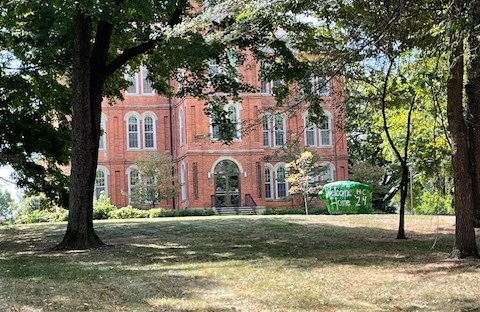
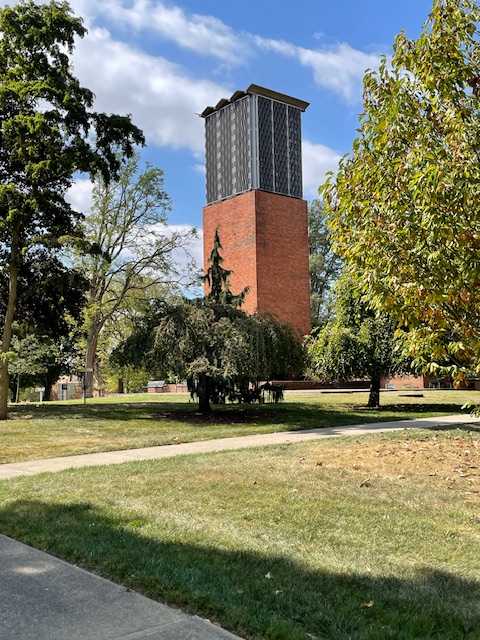
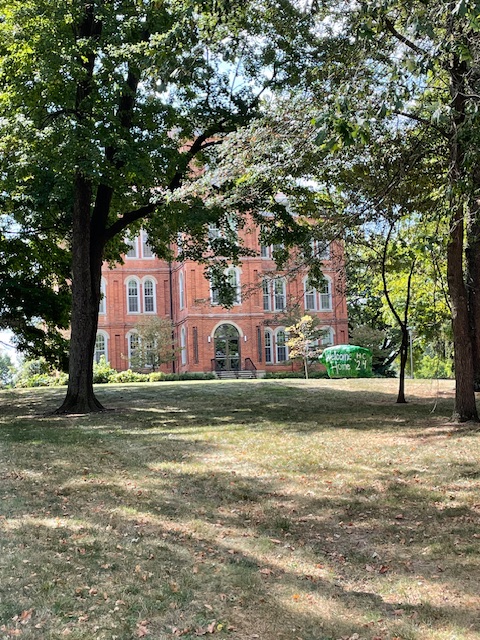
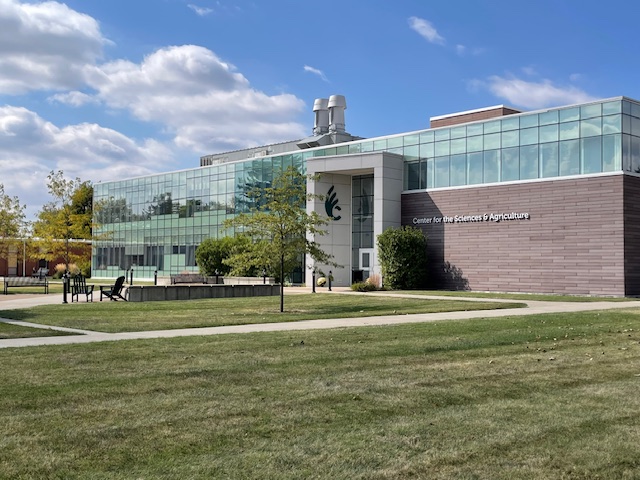
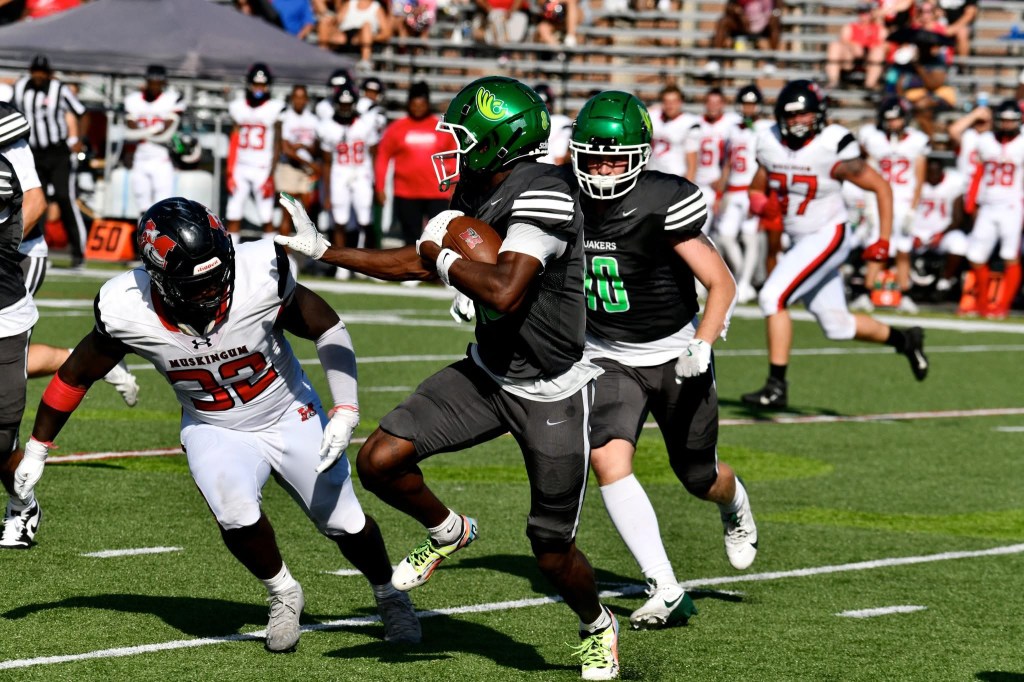
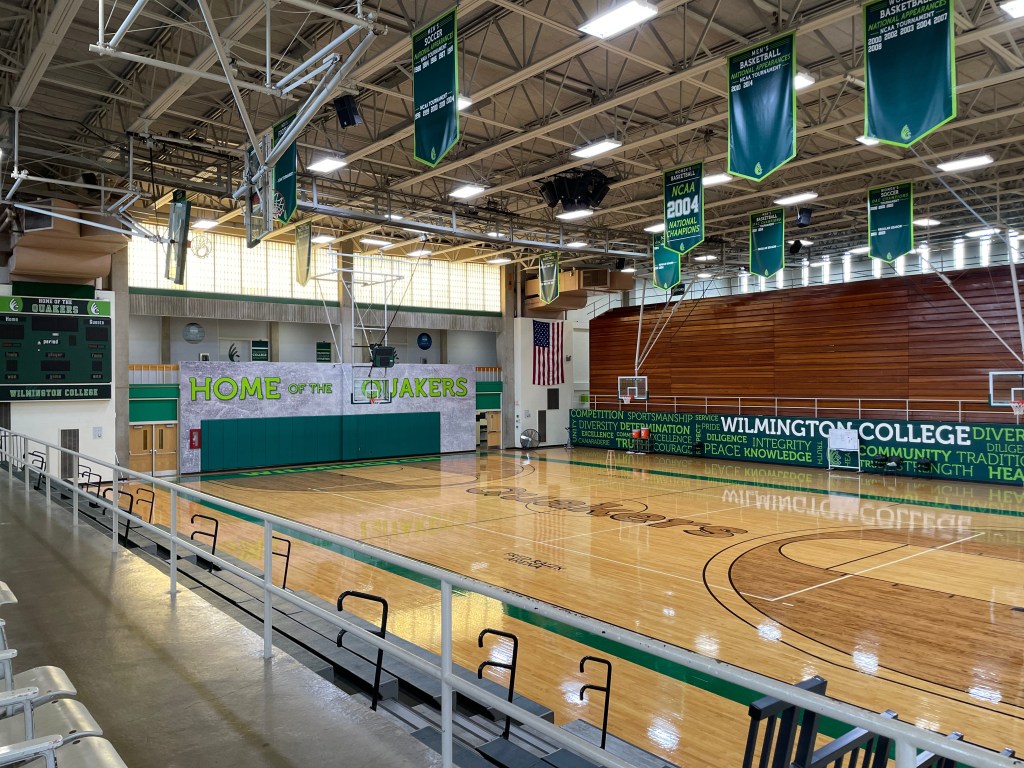
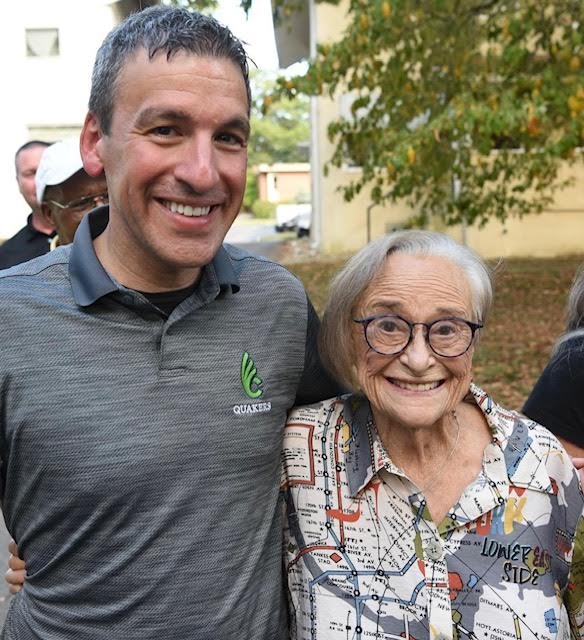
*Photos throughout this post are from homecoming weekend 2024*

The power of maintaining balance through daily unplugging.

Emails, texts, social media. We are plugged in daily throughout our daily lives at work, home and in our lives. It can be and often is — too much. We often spend so much time being connected it can be a challenge to connect effectively with people in person.

I found that no matter how busy the calendar of events is maintaining set time to be disconnected from our devices is not only refreshing but necessary in seeking balance.

I have blogged in the past about my workouts always being device free. (For reference – https://brendanfetters.com/2024/02/18/maintaining-professional-stability-through-daily-balance/) This is one time daily that I know I have disconnected time in place. I hold myself accountable to this daily by keeping my phone not only in another room but on another section of the house.

Being device-free for 60-90 minutes straight most days during this block makes shifting to time and space to read, do chores, etc. completely disconnected easier as well.

In other personal lives it is also vital to have time and space for human connection – device free. I’m not accessing my phone while engaging with friends and/or family — being in the moment distraction free and completely focused on conversation and that human connection.

Completely disconnecting is sometimes a challenge but this recent article in The New York Times offers several outstanding tips and tricks around common situations that require us to be connected in some capacity — to have a healthy relationship with our devices. I highly recommend giving it a read —

Disconnecting is powerful in our 24/7 “on” lives but it takes effort. The rewards are powerful. This is something I’m continuing to grow within myself as there is always room for improvement within ourselves, right?

Passing it on. The power in building capacity in others.

As I reach well into the halfway point of my career in public education it’s easy to get caught up in the hustle and bustle of the day to day and lose track of the years and where I’ve come within the profession. Our work can be heavy. Fast-paced with so many twists and turns.

I’ve been so grateful to have so many who have poured into me over my nearly 20 school years in education. Both in my own K-12 career and in my education prep program at my beloved Wilmington College over 20 years ago, my graduate program at NC State University and from so many amazing educators within our district, throughout the area and beyond. Blessed doesn’t begin to scratch the surface throughout my career with the amount of support, love and care that’s been bestowed upon me throughout my time as an educator throughout my various roles.

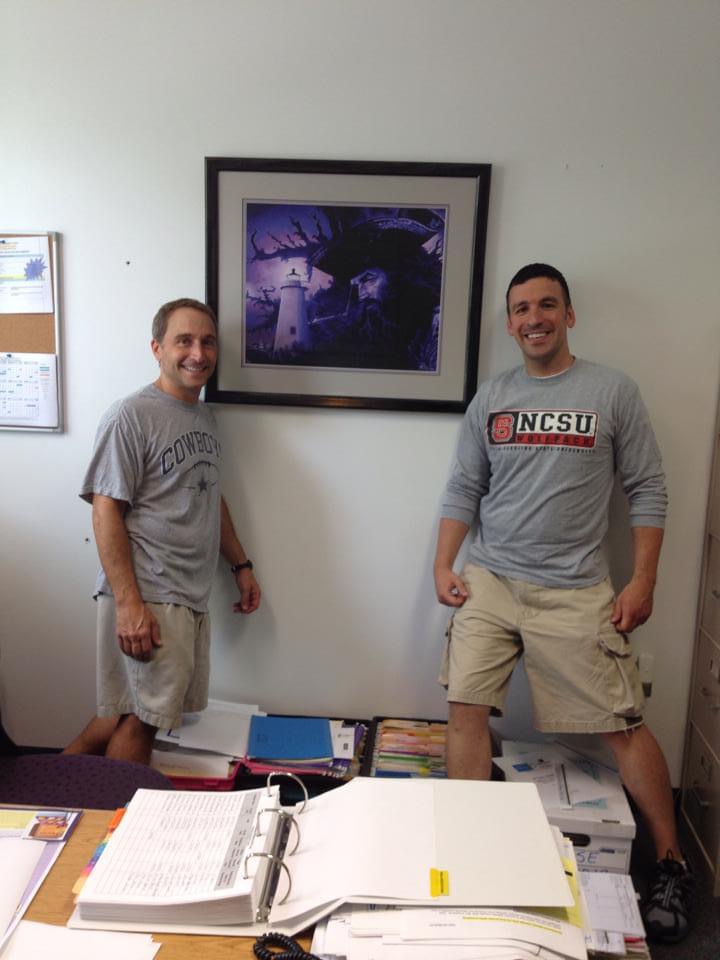
No matter how busy we get I never once lose sight of all that so many have put into me over the years. In my office I have photos of many that have had significant impacts – college professors, administrators who are mentors, teachers who have believed in me when the times got tough, the list goes on. These photos help keep me going on and serve as inspiration outside of the students and families we all serve, of course.

Those teachers who put so much into a wide-eyed 3rd grade teacher brand new to the state and the city all those years ago. I thought I knew so much coming out of undergrad only to find out the real world was so different in our profession. They helped me not only survive – but thrive.

Fast forward to my current role. That first year teacher who student taught with us my first year as an assistant principal, then was able to get a position with us the next school year. She quickly found out the that first year is tough, tough, tough. I was always her biggest cheerleader through all the bumps and stumbles. Coaching, adding value, she took that feedback and now several years later is legit one of the greatest educators I’ve ever worked with and an incredible teacher leader for not only the grade level but our entire school community. The pride in that is so powerful.

No matter how busy life gets, I also find time to pour into others. One of my greatest joys as an administrator is building capacity in teachers. Seeing things in them that they might not realize. Building teacher leaders is empowering — on both ends. Even if it means these educators might have to leave your building to grow professionally.

Taking time to have conversations with educators to let them know what you see in them specifically (well beyond generic “thanks for all you do” type talks) and how they can/should enhance what they’re doing instructionally into a broader role. Increasing capacity as a professional. At the middle school level this can be — a team lead, content chair for the grade level or possibly school-wide, becoming a mentor to beginning teachers through the district, etc., the list goes on.

Time is precious but carving it out to have these conversations, write the detailed notes of appreciation, giving authentic gratitude and just providing – time and space to let our peers know we see them and really value their work — while offering career increases can go such a long way.

We all put in so much. Giving a little bit more to build up our people is truly invaluable.

I’m grateful for my people both in my past and currently and also for those that I serve. Truly. Actions > words.

Rest and relaxation. Refueling that drive.

A little under a year ago I blogged about my rural background and how my upbringing on a farm formed who I am today. https://brendanfetters.com/2023/11/18/drive-how-my-rural-background-formed-me/

There are few places on this earth that I feel more at ease than walking my family’s farm in rural south-central Ohio. It had been three years but I was grateful to get up for an extended weekend, completely free of work to enjoy life in conjunction with my college’s homecoming festivities about a month ago.

I made the all-day journey in great time thanks to leaving home well before dawn to get an early start and drove straight to the farm prior to checking into my hotel later in the evening.

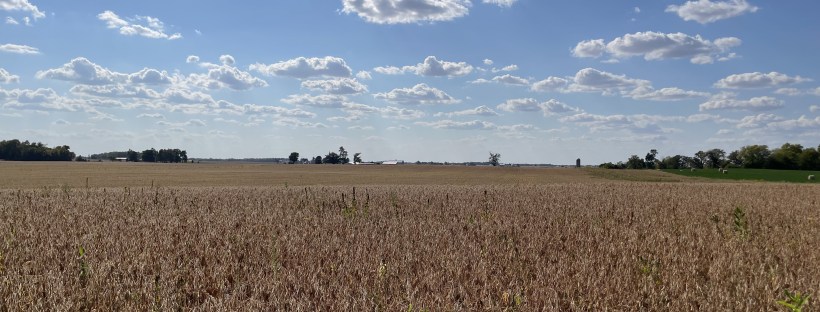
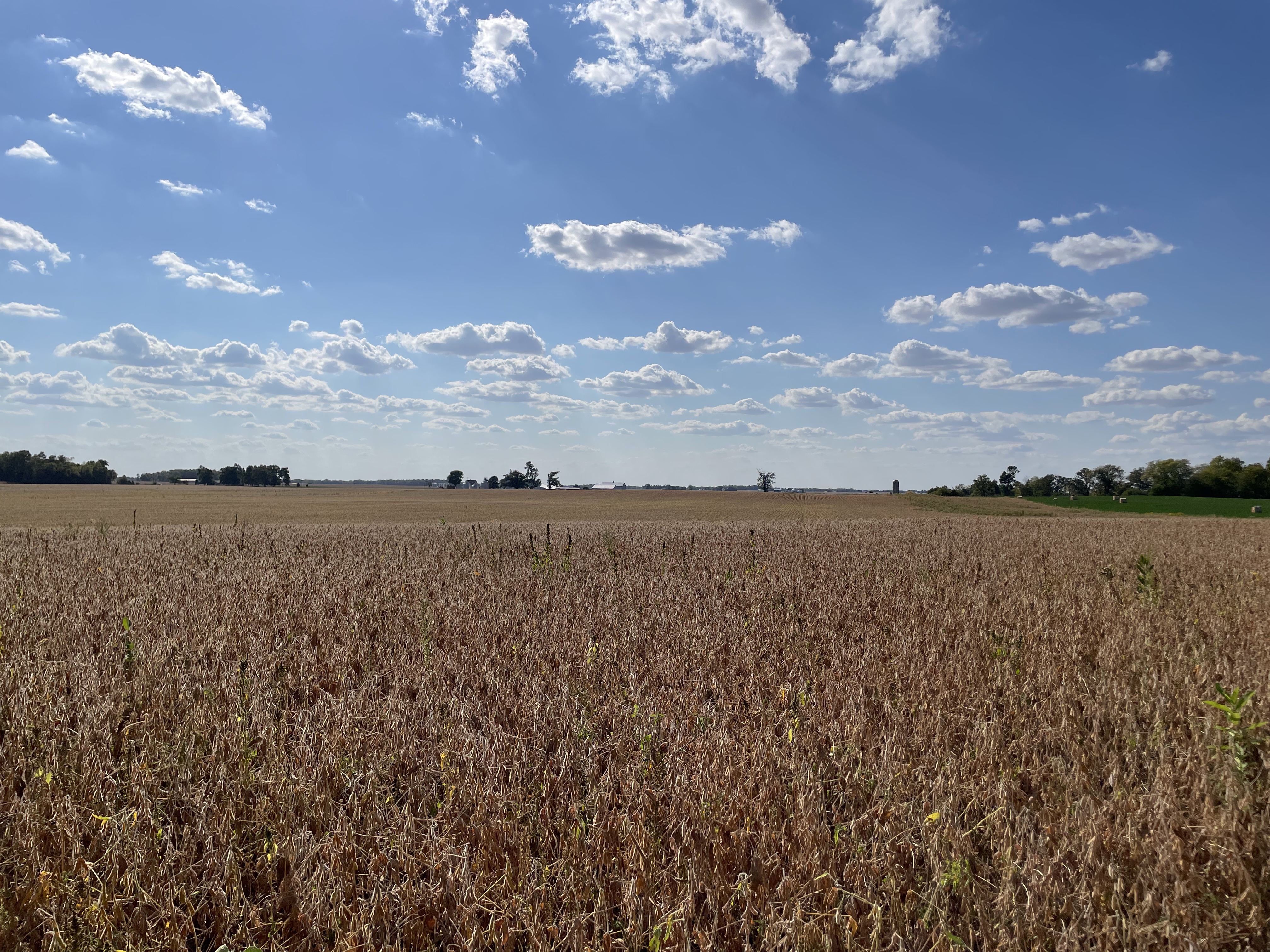
There is nothing more peaceful than a several hour stroll through the paths that align the acres upon acres of wheat and soybean fields on a midwestern fall day in the heartland.

Aside from taking a few photos, it was just me, a calm breeze and the occasional chirping of birds as beans a wheat briskly swayed awaiting their eventual harvesting in the coming weeks.

It had been three years since I was up but far too long. Also, too long since I took a considerable break. I’m the first to admit I am terrible about taking time off. I have an army of friends and district colleagues who are working on me at improving this.

An extended trip to Ohio was a start. I’m getting there.

Being on the farm for a few hours walking around at the start of a fantastic weekend on my beloved college campus (another post to come eventually) made me realize how much disconnected time in nature really is both refreshing and needed.

With my dad now retired and family friends now running the day to day operation the overall appearance has shifted some. Gone are the days of a balance of corn and soybean operation. Corn is out and now an extensive hay operation is in place. That’s the tenants choice. However, the overall look is very much the same as it was when I was growing up.

So peaceful always. So many memories of my paternal grandparents, farm hands, summers bailing hay and straw with my dad, helping sew fall wheat, fall harvest, spring planting and even in my younger days when we still had animals – helping move hogs and cattle around.

All these memories came flooding back as I walked. Peaceful. Needed. Such a shift in pace from my nonstop day to day in leading a large urban/suburban middle school.

My biggest takeaway from this two hour walk was yes – checking on my family’s property but even more so the importance of rest, relaxation and complete disconnection far, far away from the realities of life. I need to more of this — much more.

Flexibility. Embracing a vital component in our daily lives.

I’ll admit it — I’m a pretty scheduled and structured person. In my personal life with friends and family. Especially in my professional life. The Google Calendar is my best friend some days I feel. I will send a calendar invite in a minute, anytime, any place. I’ll remind. I can be persistent. My people of all walks that have frequent interactions with me know this about me — I’m pretty structured, organized and I love plans. A well organized plan cemented by a calendar holds it all together.

In education, I learned long ago no matter the role in the classroom, as an instructional coach or now as a school administrator even the most structured day can often be dismantled by a single event. An unscheduled parent meeting lasts several hours, a investigation, a staff member falls ill and in a pinch I’m covering core 3 and 4 Math for the day. The most well-scheduled day can go astray in a moment.

Anything can and often will happen no matter what our role in education is. We have to pivot. Adjust the calendar, reach out to those effected directly, indirectly, reschedule, communicate to all stakeholders and move it on. Doing what is best for kids and the community we all serve always supersedes all. It is ok to be slightly vulnerable with stakeholders in these situations and explain as much as you can without breaking policy laws, of course. Sometimes things need to be erased from the calendar and rescheduled – even that ever important final classroom observation in the final weeks of the school year before deadlines are looming.

Merriam-Webster defines flexible in this sense as: characterized by a ready capability to adapt to new, different, or changing requirements.

flexible foreign policy

flexible schedule

In terms of my personal life, I’m pretty private. I have a close circle of friends and a small family. I care for them all dearly. I’m also often the one who makes plans or at the very least gets the ball rolling. That group of close grad school friends? “Hey, all! When are we all going to be in Raleigh next? Let’s connect” then a calendar invite will come as soon as a day, time and place is set. That’s me. Things can come up a day or two out or even day of. A child gets sick. We might need to wait until next month to get together. Keep the conversation going. Make that connection strong and it will happen even if later than anticipated initially.

In the current heat wave North Carolina is experiencing this summer HVAC systems are on overload and can need served. Two have had to reschedule the past month for this alone with me. It’s life. Things happen. You pivot, adjust, and make new plans once this significant inconvenience in their has been fixed but keep that communication going and make new plans once a life hiccup has been adjusted.

For me, maintaining communication is key. Being flexible is a necessity no matter how structured we are. It is inevitable we will have to pivot often in all walks of our lives. How we react and communicate is key. For me I try to resolve as a soon as possible and reschedule — communicating with all key stakeholders as soon as possible. This is vital in all walks so those who are key in both our personal and professional lives feel validated that this meeting, event or gathering will happen again soon. Within professional settings this shows care, compassion, focus and intention. Relating to personal lives, this shows that as well as highlighting the clear importance on the friendship, relationship, love and authenticity.

Now, as someone who loves structure in their daily lives it’s easy to fall into the trap of a very much set day especially during the work week.

I am lucky to have many people in my life who both recognize and admire my personal structure but also recognize my ability to adapt often as needed. My typical afternoon after work workout might need to happen later in the day or not at all because of X, Y, Z personally or professionally. Work might overlap Tuesday with dinner plans with friends or a loved one. Life happens. Explain, adjust, be flexible and move on. This is something I’m continuing aware of and working to improve. Those in my circle of all walks hold me accountable, often. I’m so grateful for this.

From rise in the morning to rest in the evening. It is important that we keep a routine but one open to flexibility within it. The article below really dives deep into some of the research within the importance of keeping some daily flexibility into a structured day.

https://www.strategy-business.com/article/A-flexible-routine-can-help-you-change-for-good

Being flexible can be hard. Especially for natural planners. Prioritizing is always essential. Take a step back. It’s always ok to go slow to go fast. Giving yourself grace and respecting your changing needs is key. This recent article below provides several outstanding tips for balance professionally with flexibility is needed within the day.

Structure is great, but flexibility within is necessary. Said from a self proclaimed natural planner to the core who has adapted well to life as a strong “flexible planner” in all works of life. Make the shift, adapt and keep it moving. There is never need to stress about things that are out of our circle of control. Period. Never forget that.

Maintaining professional stability through daily balance

No matter our role in public education the work is heavy. From a grade level, core or elective classroom teacher, to instructional coach, school or district leader, the ongoing effort is often significant. Maintaining a healthy balance is necessary but all too often overlooked by far too many in our profession.

Maintaining this balance is tough, but can and should be made a priority.

I’ve blogged about balance in the past but am going to dig deeper in this post. The past several years, I have made stability in my daily life throughout the work week, weekends and breaks a daily priority. This priority is three pronged.

  1. Rest. Sleep should be a priority. For me 8 hours is the daily goal. If that means I have to sacrifice a little tv time during the work week, so be it. My health is paramount. Production is so improved once you’re fully rested. Far too many of us do not get nearly enough rest. There is so much research on the importance of daily on our overall health but below is a great article from a few years ago from the University of Michigan on the topic — https://sph.umich.edu/pursuit/2020posts/why-sleep-is-so-important-to-your-health.html

2. Nutrition. I haven’t been sick in years. Legit years. I know without a doubt nutrition along with the above rest and what’s below are a big part of that. I grew up eating pretty healthy and this has been maintained throughout adulthood as a priority. Getting daily amounts of fruits, veggies, etc. and avoiding fatty foods at almost all costs have been so helpful to my all-around well being. CDC research certainly backs this up — https://www.cdc.gov/nutrition/about-nutrition/why-it-matters.html

3. Fitness. I’m a bit fanatical about this but blocking off 60-90 minutes per day for cardio, core and/or weight training is a must for me. Completely blocked off from the outside world with phone being in an entirely other room to avoid distractions and focus on the fitness. Even on my rest day most weeks I’m doing some sort of scheduled fitness – usually at least a low impact class on the Peloton. This is is a mindfulness game changer and helps keep me as sharp mentally as physically. Mayo Clinic research backs this up fully — https://www.mayoclinic.org/healthy-lifestyle/fitness/in-depth/exercise/art-20048389

Within our profession pour so much into others every single day. It is vital we pour so much into ourselves and our overall well being, too. That’s the least we can do for our body.

Drive. How my rural background formed me.

Growing up on a farm in a farming community in rural south central Ohio had and continues to have a significant impact on my life. While I’ve been removed from living in the region for nearly 20 years, the lasting meaning the first 24 years of my life living in the heartland had on my life both ground me and drive me daily.

I don’t talk about it much but the evidence is around me if you look in a variety of much. Most people are shocked when they learn this is a significant part of my story.

Both my home and work offices have a lot of green – John Deere green, specifically. Toy tractors, mostly from my childhood – gifts from my paternal grandfather. Reflecting on the significance my family farm had on me growing up and continues to have today.

From a young age I knew I enjoyed agricultural community but I loved education. I was at a crossroads around middle school – my like (agriculture) or my love (public education) so from third generation in farming I chose third generation education from that point and never looked back.

Life lessons were learned from a young age. Responsibility – so much responsibility. Caring for cattle, hogs, time sensitivity during the planting and harvesting seasons especially, machinery and storage upkeep – early to bed, early to rise, the list goes on. Fiscal and physical responsibility in all areas, punctuality and overall drive stick with me daily all stemming from the foundation rooted in my 24 years in the midwest. So many life lessons gained.

The Raleigh area has proudly been my home for nearly 20 years. I love the entire Triangle region and am deeply rooted in as well as invested in the greater community both in and outside of my work within our school and district. I also enjoy the fast pace of a large metro area – far different from what I grew up with but the life and leadership skills gained have been priceless.

The family farm is still in operation and provides a great place for reflection, peace and calm for me whenever I find myself back in Ohio for alumni events at my beloved Wilmington College nearby.

So many of these overall skills – prioritization, connecting with people, goals, aspirations and most of all overall drive both short and long term stem from my my background. Grateful.

Leadership can be and often is – a lonely place

Since I was a young boy, helping my mom setup her classroom many summer days in preparation for a new school year of teaching high school ELA at the now-demolished high school I would eventually attend as a student later in my K-12 career in rural South Central Ohio, I knew I wanted to be an educator. Just like my mom, maternal grandparents and aunt. Those high school visits on those sweltering July and August days in a school that back then was not air conditioned, cemented it, though.

Fast forward 30 plus years as I progressed within my own career and my scope shifted from leading a classroom, to instructional coaching within the faculty to my current role of school administrator and having a more global view, I’ve learned to come to the conclusion that leadership can really be isolating. Leadership is often about making and/or enforcing decisions that are best for the building, school community, district and ultimately the students. It is often a challenge, if even possible to not receive some push back even on decisions that are popular.

As Mandy Gilbert’s outstanding article in INC puts it right out of the gate “leadership and loneliness go hand-in-hand. As the person in charge, it’s inevitable that you’ll be treated with a different regard than when you were a regular member of the team. Those daily 3pm coffee breaks and happy hour invitations are no longer being extended, and your water cooler conversations have become trivial small talk. You’re no longer one of the gang. You’re one of them.”

https://www.inc.com/mandy-gilbert/feeling-lonely-that-means-youre-actually-a-good-leader.html

Being friendly and legit friends are two different things. Critical conversations and decisions are hard enough and inevitable within leadership. Don’t make things more difficult. This was critical within moving to my first school administration position 6 years. Balance is key. I intentionally do not live in the school community I serve, but rather a neighboring suburb in part for separation and mainly for balance within work/life. Mr. Fetters vs. Brendan. Vital for mental, physical and my overall well-being.

Being comfortable within your own skin and remembering leadership is indeed often a lonely place. That is ok. Bouncing ideas off fellow school leaders within your district, collaborating with building peers within leadership to ensure you’re functioning as a true team, a collective unit.

Strong work/life balance. Being able to cut off once the work day concludes, say no to that after hours text message or email thats not urgent. Say yes to taking off email app alerts after hours making more time for fitness, making ample sleep and nutrition a priority just to name a few.

While leadership can be a lonely place it doesn’t mean you’re leading completely in isolation. Find your support system. Discover your balance. Key. Check in on the people you serve ongoing. Let them know that you care. No matter their role. They matter – remind them of this. By doing this in an on-going genuine manner, it makes those tougher “big picture” decisions more connectable often as well. After all, everyone needs encouragement in our fast-paced every adjusting profession. Never forget where you came from. Humility goes a long way.

“If you are a leader, you should never forget that everyone needs encouragement. And everyone who receives it – young or old, successful or less-than-successful, unknown or famous – is changed by it” – John Maxwell