Home Has a Way of Evolving

Twenty years ago this summer, I packed up everything I knew and headed south.

At the time, it felt like a massive leap of faith. I was a young teacher from a small Ohio town, leaving behind family, friends, familiar roads and the comfort of being surrounded by people who had known me for most of my life. Looking back now, it is hard to believe that two decades have passed since I made the move to the Raleigh area and began what would become the next chapter of my life.

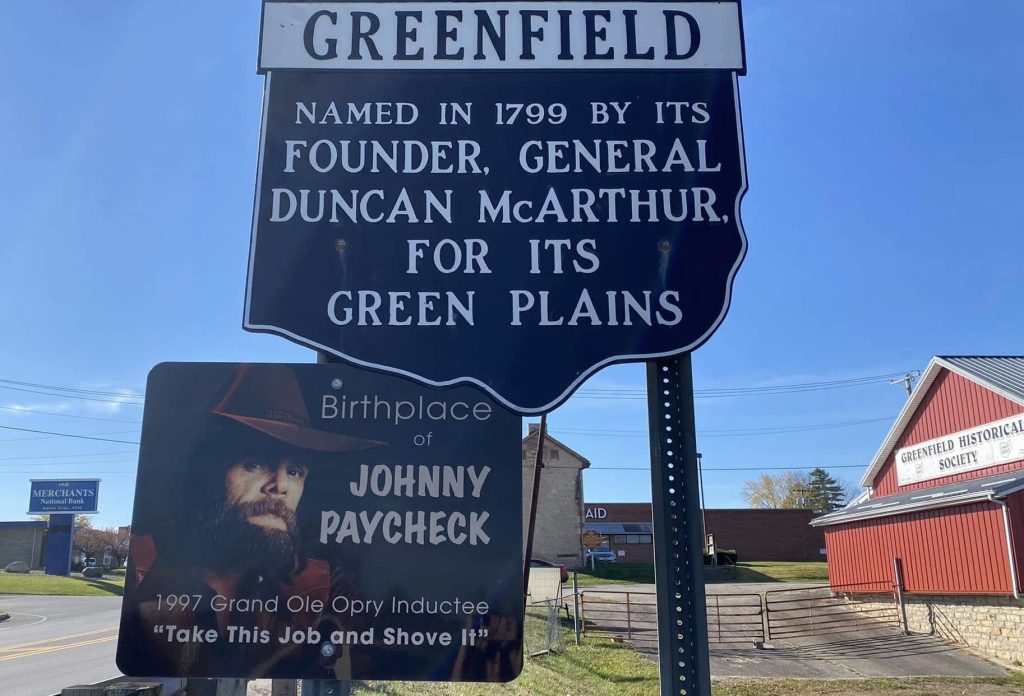
Before North Carolina, I spent a year teaching in Greenfield Exempted Village Schools, neighboring my hometown. It was an incredible first professional experience. So many people invested in me during that year. Veteran educators, administrators, colleagues and community members helped shape the teacher and leader I would become. Their support gave me a strong foundation and I remain grateful for every person who poured into me during those early days of my career.

Yet even then, I knew it was time for a change.

A big change.

As much as I appreciated my roots, I was ready for a new challenge. I was ready to move beyond a small district where everyone seemed to know everyone. I wanted to experience greater diversity, broader perspectives and the opportunities that come with a rapidly growing metropolitan area. I wanted to stretch myself professionally and personally.

So I loaded up and headed to North Carolina.

One of my earliest memories of arriving in the Triangle was the excitement surrounding the Carolina Hurricanes and their run to the Stanley Cup Final. The energy around the region was impossible to miss. Twenty years later, it feels fitting that the Hurricanes are once again competing for hockey’s biggest prize. There is something special about that full circle moment.

What strikes me most, however, is how much the region itself has changed.

The Triangle of 2006 is not the Triangle of today.

The growth has been remarkable. New neighborhoods, businesses, schools, parks and opportunities seem to emerge every year. What was already a thriving area has become one of the most dynamic regions in the country. The excitement surrounding the Hurricanes today mirrors that growth. The atmosphere feels bigger. The community feels larger. The pride feels stronger.

In many ways, my own journey has mirrored the growth of the region.

Over the last twenty years, I have had the privilege of serving Wake County Public School System in a variety of roles. I began as a classroom teacher, later served as an instructional coach and today work in school leadership. At every step, people have invested in me. Mentors, colleagues, principals, district leaders, teachers, staff members and friends have challenged me, encouraged me and helped me grow.

One lesson I have learned repeatedly is that leadership is never a solo endeavor.

No accomplishment happens alone.

Every opportunity I have received has been influenced by someone who believed in me, offered guidance, opened a door or provided encouragement when I needed it most. Twenty years later, I am still learning. I am still growing. Thankfully, I continue to be surrounded by people who pour into me both within our district and beyond.

Some of those professional relationships have become lifelong friendships.

That is one of the greatest gifts this journey has provided.

Despite spending two decades in North Carolina, I have never lost sight of where I came from.

Ohio will always be part of who I am.

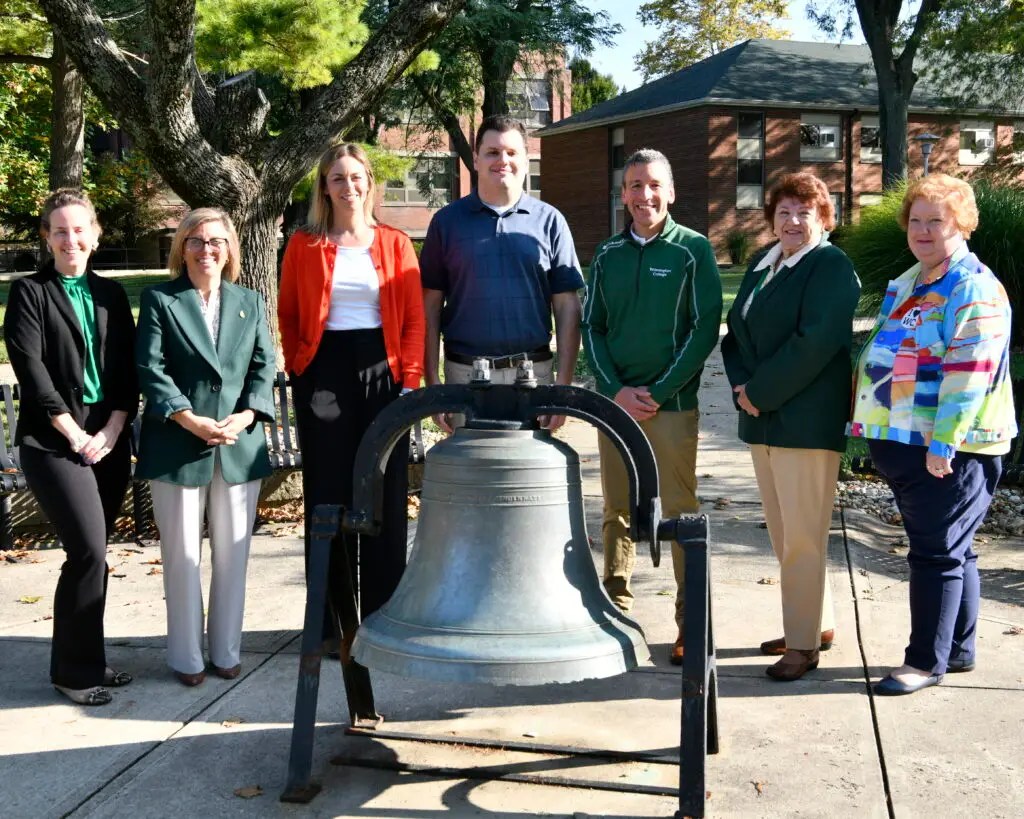
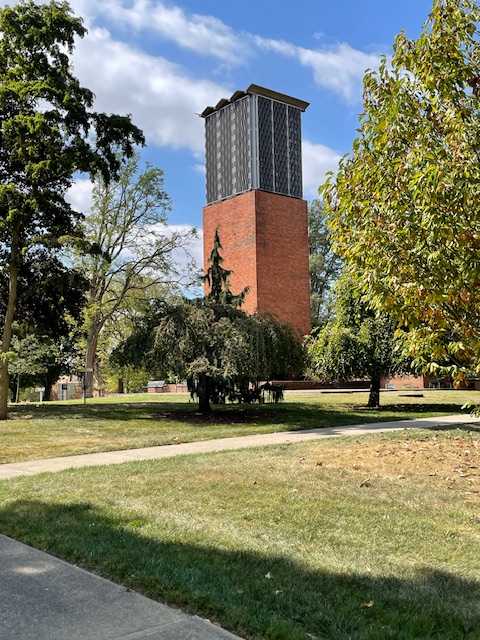
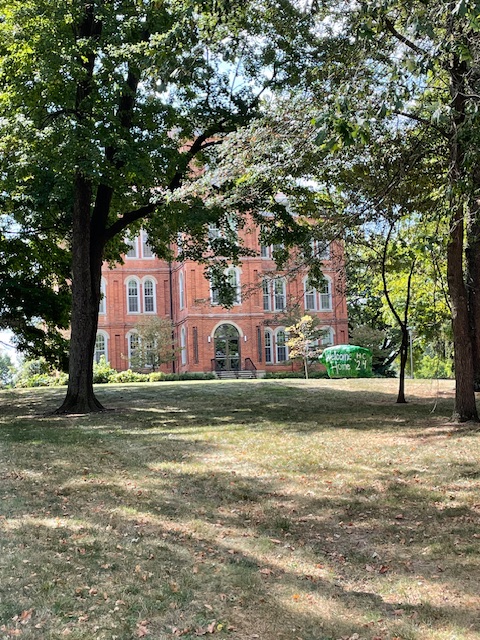
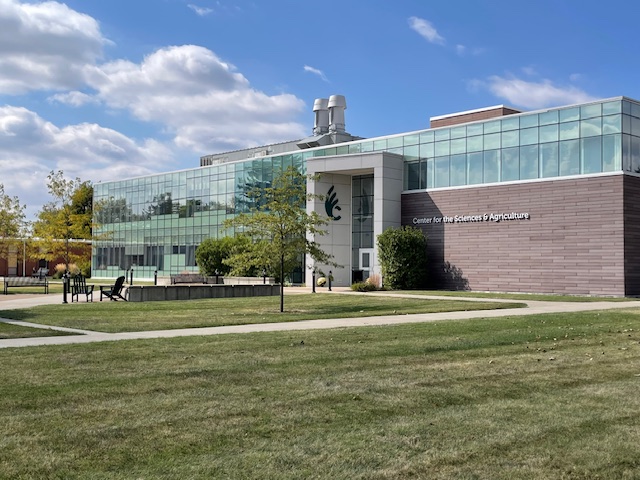
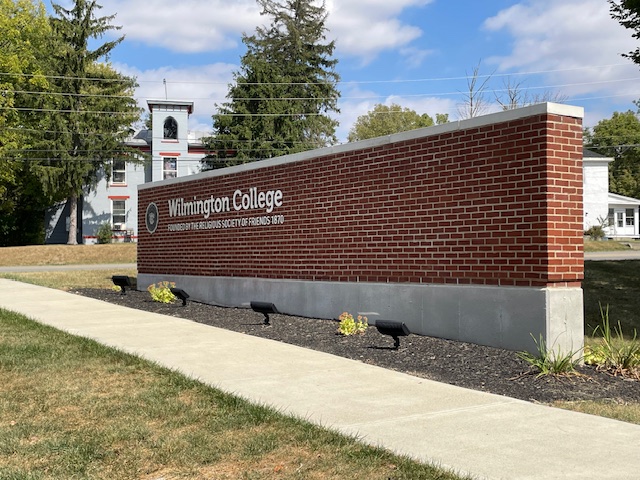
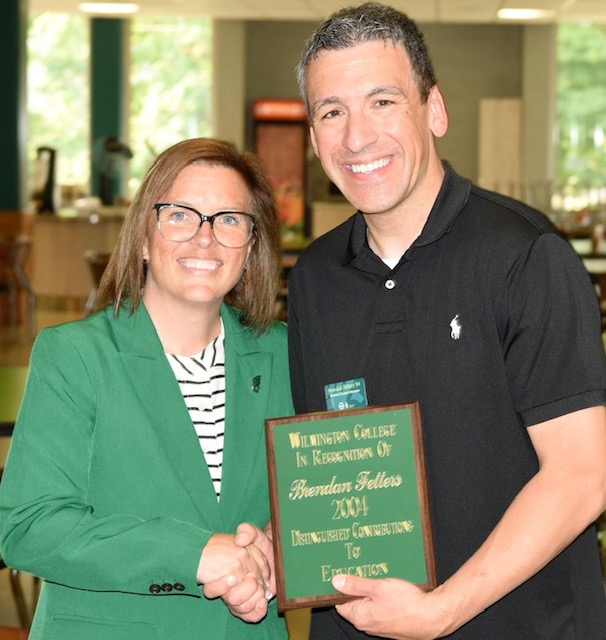
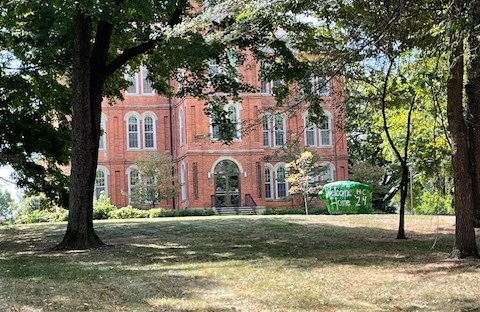
The family farm remains an important connection to my roots and a reminder of the values that shaped me. Wilmington College continues to hold a special place in my heart as well. It was there that I learned the value of community, service and leadership. What I appreciate most is that my connection to Wilmington did not end at graduation. Through alumni involvement and service to the college community, I have remained connected to an institution and a group of people who continue to shape my life in meaningful ways. Every visit back to campus feels familiar, not because of the buildings but because of the people and relationships that continue to make the place special.

Those connections remind me that while careers evolve and addresses change, the communities that help shape us never really leave us.

Over the last twenty years, the Triangle has become home in every sense of the word. My parents now call North Carolina home in retirement. I have spent twenty years serving students, families and educators in Wake County. Along the way, I have built friendships, professional relationships and community connections that have enriched my life in countless ways.

When I crossed the state line twenty years ago, I had no idea what the future would hold. I simply knew I was ready for a challenge and ready to see what was possible.

What I found was a community that welcomed me, challenged me and invested in me. Along the way, I found lifelong friends, incredible mentors and opportunities I never could have imagined as a young teacher leaving Ohio for North Carolina.

When I look back on the last two decades, what stands out most are not the titles or milestones. It is the people.

Mentors, colleagues, principals, district leaders, teachers, staff members and friends have challenged me, encouraged me and helped me grow. Whether in Ohio, at Wilmington College, at NC State or throughout Wake County, I have been fortunate to be surrounded by people who continually pour into me and help me become a better educator, leader and person.

Ohio will always be home in some ways. The family farm, Wilmington College and the people who helped shape my early years remain an important part of who I am.

But after twenty years, the Triangle is home too.

I am grateful for every student, colleague, mentor, friend and community member who has been part of this journey. The last twenty years have shaped me in ways I never expected and I know there is still more growth ahead.

Twenty years later, taking that leap remains one of the best decisions I have ever made.

Choosing my own path

There’s a pattern in my life that’s become easier to recognize the older I get: I’ve never really followed the expected route.

Not out of rebellion or a need to be different for the sake of it. I’ve just always felt a steady pull toward what felt right for me — not what was assumed, inherited or mapped out ahead of time. That started early.

In my family, The Ohio State University wasn’t just a college. It was the college. Generations on both sides. Tradition. Pride. The expected next step.

And when it came time to apply for college, I didn’t even entertain it.

Not because I didn’t respect what it meant to my family, but because I already knew I wanted something smaller, more connected and more personal. I wanted a place where relationships mattered and where I could carve out my own identity instead of stepping into one already waiting for me.

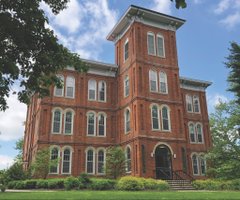
That decision led me to my beloved Wilmington College — one of the most important choices I’ve ever made.

Wilmington shaped me in ways that still impact how I move through life and leadership today. It taught me how to think critically, build relationships, lead with authenticity and understand that education is always about people first.

Years later, my connection to the college still remains strong through alumni involvement and continued relationships. Some places don’t just educate you. They become part of your foundation.

Then came another leap that changed everything: Leaving Ohio for Raleigh nearly 20 years ago. No built-in network. No familiar faces. No real safety net. Just a decision rooted in instinct and belief that growth was waiting on the other side of discomfort.I didn’t know a single person when I moved here.

But I knew staying comfortable wasn’t going to stretch me personally or professionally the way I needed. The initial reason for my leap, employment in the Wake County Public School System — a district that has challenged me, sharpened me and given me opportunities to grow as an educator and leader in ways I couldn’t have imagined back in the summer of 2006.

There’s also another layer to all of this that matters deeply to me. Public education and farming both run through my family history. Both represent legacy, hard work and identity. Choosing education over the family farm and an agricultural career wasn’t something I took lightly.

But even then, I knew I needed to build a life that aligned with who I was — not simply continue a script because it already existed. Looking back now, none of these decisions feel disconnected.

Choosing Wilmington. Leaving Ohio. Building a career in North Carolina. Taking risks professionally and personally instead of defaulting to comfort or expectation.

It’s all the same thread. I’ve always been willing to take the longer road if it felt more authentic.

And honestly, that mindset shapes how I lead in education every single day. Schools are filled with systems, traditions and “the way things have always been done.” Some deserve protecting. Others deserve rethinking entirely. Leadership requires discernment. The ability to honor tradition without becoming trapped by it.

That’s probably why I’ve always gravitated toward leadership rooted in relationships, trust, communication and authenticity over performative leadership or rigid hierarchy.

Students know when adults are genuine. Staff know when leaders are grounded. Communities know when decisions are being made with integrity.

I think living independently — making difficult choices based on alignment instead of expectation — has ultimately made me a better educator and leader because it’s taught me how important voice, identity and ownership really are.

At the end of the day, independence has never meant isolation to me. It’s meant having the courage to choose a path that feels honest — even when it’s unfamiliar. Looking back, the biggest leaps I’ve taken ended up becoming the moments that shaped me most.

In a world of posts, choose presence in the work that matters

Spend a few minutes scrolling any social platform and you will see it. Promotion announcements, milestone celebrations, polished reflections on success. Education is no exception. In many ways it has become part of the rhythm. Do the work, then share the work.

There is value in that. Celebrating students, staff, and community matters.

But I keep coming back to the moments that never make it online.

A quiet conversation with a student who just needed someone to listen.
A teacher staying late because they care, not because anyone will notice.
Families fully engaged in a school event, present with each other instead of documenting it.

Those are the moments that stay with you. Most of them never get posted.

Social platforms are not neutral spaces. They are designed environments. Renowned psychologist Jonathan Haidt (https://jonathanhaidt.com/) has written extensively about how the rise of smartphones and social media, especially since the early 2010s, has reshaped how people experience connection, validation, and even identity. His work points to clear increases in anxiety and depressive symptoms among young people during that same period, trends that closely align with constant access to these platforms and the feedback loops they create.

It is not just about students. It is about all of us.

When attention is the currency, behavior adjusts. We share more. We think about how something will be received while we are still experiencing it. We start to measure impact through engagement. At some point it becomes harder to tell the difference between doing meaningful work and being seen doing meaningful work.

NYU professor, renowned podcaster and entrepreneur Scott Galloway (https://scottgalloway.profgmedia.com/) talks about this in a different way. He often points out how digital spaces have amplified status signaling. Success is no longer just something you experience. It is something you present. For many people, especially younger professionals, there is an added pressure to show progress in real time, even when that progress is still unfolding.


You can feel it across every corner of education – schools, district offices, and support areas alike. The quiet expectation to share wins, highlight momentum, and keep the narrative moving forward.

There is nothing inherently wrong with that. But it is worth asking where the line is between sharing and performing.

In schools, the work that matters most is rarely public.
It is relational. It builds over time. It is often invisible to anyone not directly involved.

The strongest leaders and educators I know are not focused on building a personal brand. They are focused on creating conditions where people can do their best work. Supporting staff when no one else sees it. Building trust with families over time. Showing up for students on the days that are not easy.

A lot of the most meaningful work happening across our schools and community would never translate into a post. That is not a gap. That is the point.

There is also a cost to always being on.

When everything becomes something to share, it changes how you experience it. Reflection can turn into reaction. Purpose can slowly shift toward perception. Even in spaces filled with good people doing important work, comparison finds a way in.

Haidt’s research speaks to the impact of those feedback loops on well being. Galloway’s work reinforces how they shape how we define success in the first place.

In education, where the work already asks a lot of you, that tension matters. The work is too important to be driven by optics.

I have been thinking more about what it looks like to be intentional here. To share when it adds value. To celebrate others without making it about myself. To recognize that not every meaningful moment needs to be documented to count.

Through my work in schools, across the community, and in alumni engagement, I have had the opportunity to be part of a lot of meaningful experiences. I am proud of that. At the same time, I am learning that the value of those moments is not determined by how they perform online. It is determined by who they impact and whether that impact lasts.

It might be worth rethinking how we measure leadership.

Not by visibility, but by consistency.
Not by engagement, but by trust.
Not by how often we are seen, but by how often we show up.

Social platforms are not going anywhere. They can be useful and they can build real connection when used with purpose. But the best leaders I know are not focused on being noticed. They are focused on making sure others are.

There is nothing wrong with sharing your work. But not all work needs an audience to be meaningful.

In a space that constantly pulls for attention, there is something steady about choosing impact.

Lead well when no one is watching. That is the part that actually lasts.

Finding peace in challenging times

There are moments in history when the noise feels louder than the hope. When headlines carry more heat than light. When it feels like the ground beneath us is unsettled, and the temptation is to either harden our hearts or retreat entirely.

This is one of those moments.

Across our country, deep division and unrest are impossible to ignore. Minnesota has been heavy on my mind lately — another place carrying the weight of anger, grief, and unresolved pain. It’s a reminder that the fractures we feel are not abstract or distant; they are lived, local, and deeply personal. At times, the national mood feels dark, uncertain, and on edge.

And yet — right here in the Triangle — something powerful has been unfolding.

Over the past several days, our community has been part of the Walk for Peace, a remarkable procession of Buddhist monks journeying across the country to promote mindfulness, compassion, and peace. As the monks made their way through our region on their walk from Texas to Washington DC, many beared the cold to witness the monks’ calm determination and hear their words about living with intention and kindness.

People stood quietly together, often moved to tears, feeling more peace in that moment than they had in weeks. Some held flowers and watched as the monks regifted them — a simple but poignant reminder that peace multiplies when shared.

It’s hard to overstate how meaningful that contrast is.

While parts of our country wrestle with chaos and division, our community chose calm, courage, and connection. The Walk for Peace didn’t deny the pain we carry — it acknowledged it and responded with dignity. It reminded us that peace is not passive. It requires intention. It requires showing up.

As a school leader, this is how I strive to lead every day.

I lead with love and care — always. Not because it’s easy, but because it’s necessary. Schools are microcosms of our society. Every fear, every hope, every fracture eventually walks through our doors. My responsibility is to create spaces where students, faculty, support staff and families feel seen, safe, and valued, even when the world outside feels anything but steady.

Leading with love doesn’t mean ignoring hard truths. It means holding people through them. It means choosing empathy over ego, listening over reacting, and modeling the calm we want young people to carry forward.

Fittingly, today’s vinyl spinning in the background was Bruce Springsteen’s Darkness on the Edge of Town — released in 1978, but somehow always timely. The album is gritty, honest, and unflinching. And tucked within it is “The Promised Land,” the first song on the B side. A song that feels like it was written for moments exactly like this.

Springsteen sings, “Blow away the dreams that tear you apart / Blow away the dreams that break your heart.” There’s an acknowledgment there: dreams can wound us when they’re deferred, distorted, or denied. We feel that tension now — between what America promises and what it delivers. “The Boss” pushes forward: “I believe in the faith that can save me / I believe in the hope and I pray.” That line lands hard these days. Faith. Hope. Prayer. Not as slogans, but as anchors.

The song closes: “I’m gonna get a little bit of rest tonight.” Even in darkness, there’s permission to pause. To breathe. To gather strength for the work ahead.

That’s what peace looks like right now.

Not pretending everything is fine — but choosing not to let the darkness define us. Walking together when it would be easier to turn away. Leading with love when fear would be more convenient. Teaching our children — by example — that calm is a form of courage.

The Promised Land isn’t a place we arrive at all at once. It’s something we build, step by step, walk by walk, choice by choice.

Even now. Especially now.

Why a Thank You Can Change a School — Even on the Hard Days

There’s a point every school year — usually somewhere between a chaotic morning arrival, a hallway conversation with a student who just needs someone to listen, and the third fire drill of the quarter — when I have to remind myself to stop and take inventory of what’s actually holding our school together.

It’s never the systems.
It’s never the spreadsheets.
It’s always the people.

Over the years, I’ve learned that the most powerful tool I have as a school leader doesn’t cost a thing and nor does it require extensive professional learning: a genuine thank you.

When you work in a building where everything is urgent, it’s easy to start operating like gratitude is optional. But I’ve found the opposite is true: the more pressure we’re under, the more essential taking time to show sincere gratitude becomes.

Some of the most grounding moments of my day happen in the tiny spaces between tasks:

  • Thanking a member of our custodial team who quietly cleared a spill before most people even noticed it
  • Stopping by a classroom to tell a teacher, “Hey, that lesson today? You had them. That was good work.”
  • Telling your grade level counselor that you saw the way she handled a tough parent meeting with grace.
  • Pointing out to a front office teammate that her calm presence is the reason the day didn’t unravel at 7:05 AM.

Those acknowledgments take seconds.
But they change trust.
And trust changes a building.

Schools go through seasons. Some feel light; others feel heavy. Some years the climate shifts week to week. But what I’ve seen consistently is that people feel steady when they feel seen.

I think about the moments that happen behind the scenes — the kind that rarely get mentioned in newsletters:

  • The teacher who quietly checked on a student going through something at home.
  • The counselor who stayed late to support a family no one else could get ahold of.
  • The core team that turned a small idea into something that made 100 students feel proud.
  • The teammate who brought laughter into a meeting that was heading toward stress.

When I recognize those things — even in a quick “Hey, I noticed that” — I watch shoulders ease. People breathe differently when they know their work isn’t invisible.

There was a morning not long ago when a student walked into my office — unprompted — and said, “I just want to thank you for always checking on me.” It wasn’t a big, dramatic moment. It was simple. Human. And it reminded me that appreciation is contagious.

When students hear thank-yous exchanged among adults…
When they watch teachers affirm each other…
When they see leaders shout out a bus driver, or a cafeteria worker, or a teammate behind the desk…

…it becomes normal for them to practice gratitude too.

And honestly? That may be one of the most culture-shifting things we can teach.

The more intentional I’ve become about expressing appreciation in the building, the more it’s shaped the rest of my life.

I’ve learned to thank the people who love me, the friends who show up, the partner who sees the parts of my day that no one else sees, the family who holds space for me when I’m tired. Gratitude has a way of softening you — of reminding you to pay attention to what’s working, not just what’s hard.

No matter the season.
No matter the climate.
No matter the pressure of the day.

Genuine gratitude costs nothing.
But it returns everything.

If you want a school to feel different, start with appreciation.
If you want people to feel valued, say the words out loud.
If you want culture to shift, notice the humans doing the quiet work.

And if you’re tired, overwhelmed, or unsure where to begin — start with this:

Thank you.
For showing up.
For choosing this work.
For giving more than people ever see.

We can’t control everything in a school, but we can control how we care for the people in it. And in my experience, that changes everything.

Kicking off 2025-26 on the right foot

Summer planning is winding down. More and more faculty members are making their way into the building the past few weeks to get a jump on creating hallway signage, arranging classroom spaces, planning, etc. Our staff kickoff is a matter of days away and our students return in a week. 2025-26 is coming.

There are countless advice articles out there from ASCD and other reputable sources ahead of a new school year for faculty and staff of all walks to get information from. A sampling:

https://www.edutopia.org/article/realistic-goal-setting-teachers/

https://steinhardt.nyu.edu/ihdsc/path-program/path-perspectives/top-10-tips-starting-school-year-strong

https://www.edutopia.org/article/school-leaders-back-to-school-resources/

This is an exciting time but can easily be overwhelming even for veteran educators. So much to do, so little time before the students arrive in a matter of days. So many boxes to check — district, state and federal mandated items, building specific areas, time and space with grade level and content teams — the list goes on. This can be stressful.

Routines. To assist routines are essential. Start them before the school year begins on a smaller scale to get “in the swing” of things. getting enough sleep, eating healthy, and exercising regularly all items I’ve blogged about in the past. 

Positive thoughts. Focusing on the positive aspects of returning to school, like seeing colleagues, students, families and learning new things, can assist in counteracting negative thoughts.

As a school leader specifically there are a long list of items I try my best to utilize to support the faculty and staff I lead in the beginning of the year and ongoing. These include…

1. Cultivate a Culture of Trust and Transparency:

  • Build strong relationships. Prioritize building positive relationships with staff, students, and families from the outset. Essential early, often and ongoing. Authentic.
  • Open communication. Create a culture where open and honest communication is encouraged, fostering a sense of security and belonging. Teamwork – approachability, willingness to listen, while being open to adapting.
  • Transparency. Be transparent about your vision, goals, and decision-making processes. 
  • Regular check-ins. Hold regular meetings, both formal and informal, to facilitate open dialogue and address concerns. 

2. Set Clear Goals and Expectations:

  • Define a shared vision. Articulate a clear vision for the school year, ensuring it aligns with the needs of the school and community.
  • Establish authentic goals. Work with your team to set specific, measurable, achievable, relevant, and time-bound goals for the school year that are both authentic and meaningful.
  • Communicate roles and responsibilities. Clearly define the roles and responsibilities of each team member in achieving the shared goals.

3. Provide Support and Resources:

  • Coaching and mentoring: Offer coaching and mentoring to help staff develop their leadership skills and build confidence. As I’ve blogged about in the past, this is truly a win-win as a leader – building capacity in others while increasing their confidence and scope as professionals.

4. Lead by Example:

  • Model positive behaviors. Demonstrate the behaviors and attitudes you want to see in your staff and students. Professional, model what you want from the professionals you lead.
  • Be a lifelong learner. Show my own commitment to continuous learning and improvement, inspiring others to do the same. 
  • Celebrate successes. Acknowledge and celebrate both individual and collective achievements, creating a positive and motivating atmosphere. Small or large – celebrate the wins.

5. Embrace Adaptability and Resilience:

  • Be flexible. Be prepared to adapt to changing circumstances and adjust your plans as needed.
  • Maintain a positive attitude. Cultivate a positive and optimistic outlook, even in the face of adversity. This can be easier said than done some days but as a school leader — eyes are always watching. Attitude is everything — especially in this role.

Here is to a wonderful new school year. We’ve got this.

#WhyD3 – Love for my undergraduate institution and the small college atmosphere

All my life two things have persisted. I’ve been an “old soul” and have tended to do my own thing rarely given into pressures no matter how small or large.

Growing up in Ohio it was pretty much expected I would go to The Ohio State University. Being in south-central Ohio all my K-12 life — becoming a Buckeye is often the next step for many. Especially given my parents, numerous aunts and uncles on both sides of the family were alumni. I grew up all around it. Football games every fall, the university came up in some capacity at every family function and growing up an hour from Columbus — you couldn’t avoid it. With the addition of two successful professional sports teams things have changed but as a kid — OSU essentially was the main aspect of the city.

However, I had little to no interest. Way too large. OSU was a city within the city. I wanted to do my own thing. University of Dayton? Too large. Xavier University? Still a bit too large for my liking. John Carroll University? Beautiful campus and right size but the scholarships weren’t enough to make it happen, unfortunately.

However, while JCU didn’t work out — another school in the same conference much closer to my hometown came through with scholarships and when I visited — everything clicked. It was home. Wilmington College.

So the Catholic kid from small town Ohio landed on a beautiful Quaker institution just one county over. Doing my own thing once again.

That was 25 years ago when the journey began. As an undergraduate student, I was immediately taken in by the faculty and staff. Small class sizes and dorms you really got to know everyone on campus – student and faculty alike. A true campus community.

The campus community pushed me in ways I never realized. Socially, leadership opportunities galore and intellectually.

Fast forward to today. I look back with pride on how much the university has meant to me both as an undergrad and many years into my alumni journey. Giving back to the college fiscally is never enough. Nor is being active on alumni advisory council. Being several states away, I still try to get back on campus at least annually and maintain friendships with faculty and fellow students from my undergraduate days while bonding new connections with current faculty.

Google #WhyD3. You’ll get a small sense of the small college bond. Why this lifelong Bengals fan can’t help but be thrilled when the Eagles won the Super Bowl this year. Their head coach is a Mount Union alum – our conference. He represents small colleges everywhere and always talks about his D3 college experiences. Just one example of this bond — even outside of my college specifically.

The bond is special. Always has been – always will be. Even though I’ve far away the bond between myself and my beloved small college has never been stronger.

#WeAreDubC

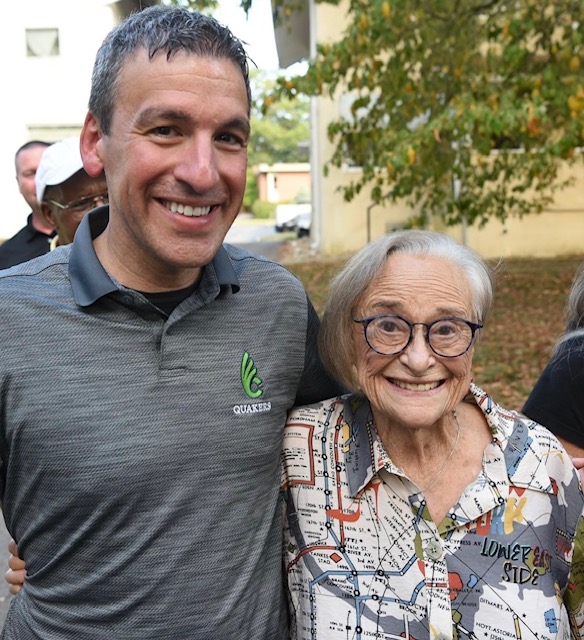
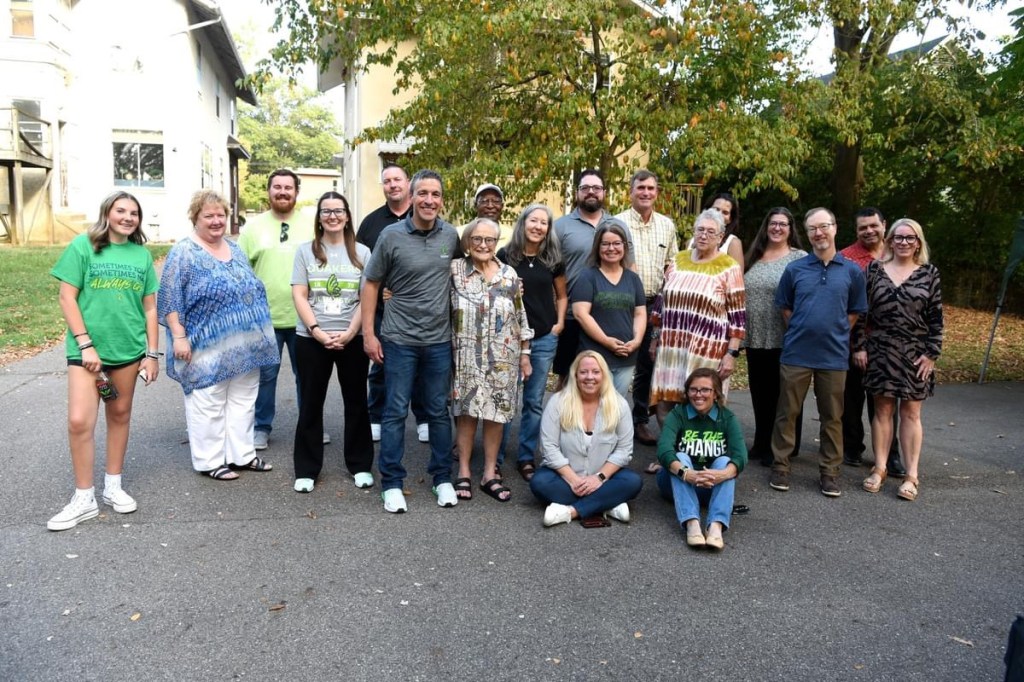
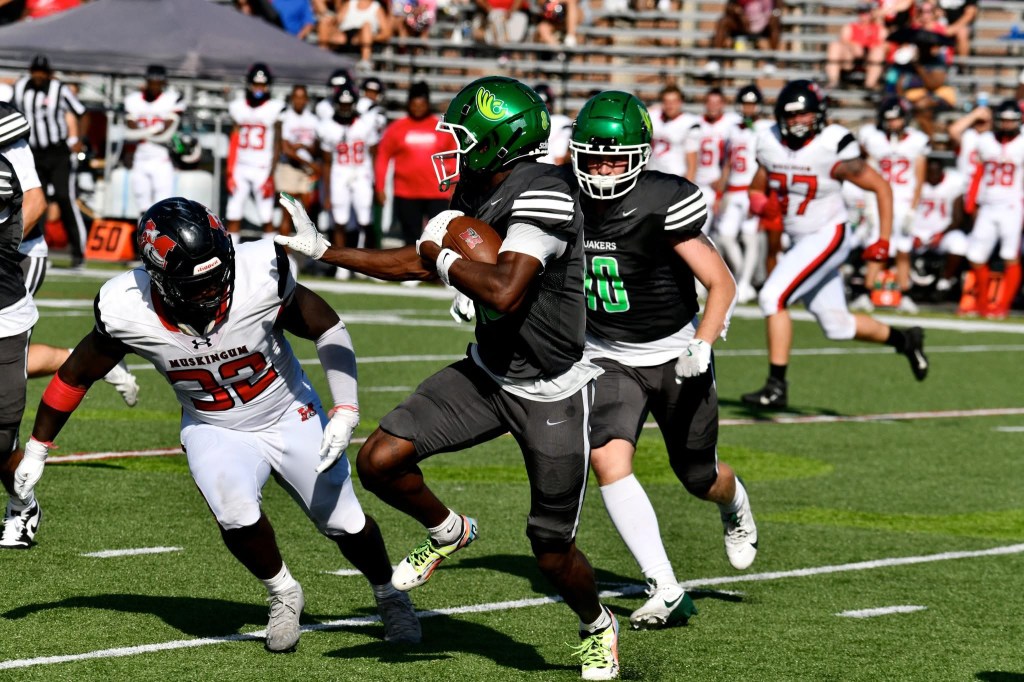
*Photos throughout this post are from homecoming weekend 2024*

The power of maintaining balance through daily unplugging.

Emails, texts, social media. We are plugged in daily throughout our daily lives at work, home and in our lives. It can be and often is — too much. We often spend so much time being connected it can be a challenge to connect effectively with people in person.

I found that no matter how busy the calendar of events is maintaining set time to be disconnected from our devices is not only refreshing but necessary in seeking balance.

I have blogged in the past about my workouts always being device free. (For reference – https://brendanfetters.com/2024/02/18/maintaining-professional-stability-through-daily-balance/) This is one time daily that I know I have disconnected time in place. I hold myself accountable to this daily by keeping my phone not only in another room but on another section of the house.

Being device-free for 60-90 minutes straight most days during this block makes shifting to time and space to read, do chores, etc. completely disconnected easier as well.

In other personal lives it is also vital to have time and space for human connection – device free. I’m not accessing my phone while engaging with friends and/or family — being in the moment distraction free and completely focused on conversation and that human connection.

Completely disconnecting is sometimes a challenge but this recent article in The New York Times offers several outstanding tips and tricks around common situations that require us to be connected in some capacity — to have a healthy relationship with our devices. I highly recommend giving it a read —

Disconnecting is powerful in our 24/7 “on” lives but it takes effort. The rewards are powerful. This is something I’m continuing to grow within myself as there is always room for improvement within ourselves, right?

Passing it on. The power in building capacity in others.

As I reach well into the halfway point of my career in public education it’s easy to get caught up in the hustle and bustle of the day to day and lose track of the years and where I’ve come within the profession. Our work can be heavy. Fast-paced with so many twists and turns.

I’ve been so grateful to have so many who have poured into me over my nearly 20 school years in education. Both in my own K-12 career and in my education prep program at my beloved Wilmington College over 20 years ago, my graduate program at NC State University and from so many amazing educators within our district, throughout the area and beyond. Blessed doesn’t begin to scratch the surface throughout my career with the amount of support, love and care that’s been bestowed upon me throughout my time as an educator throughout my various roles.

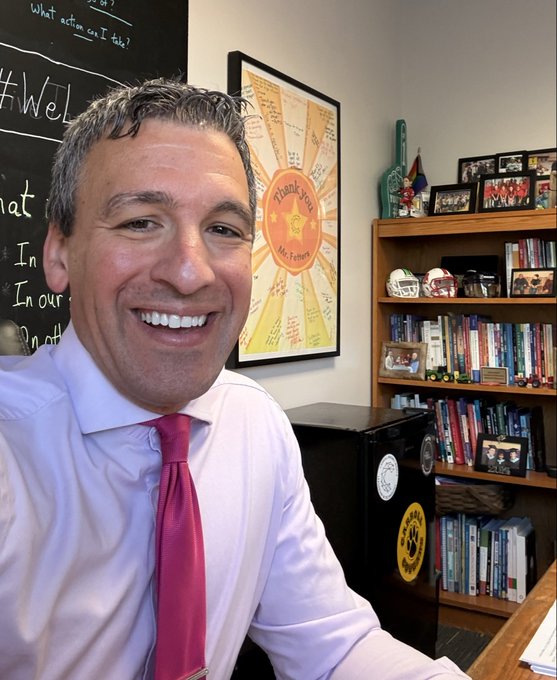
No matter how busy we get I never once lose sight of all that so many have put into me over the years. In my office I have photos of many that have had significant impacts – college professors, administrators who are mentors, teachers who have believed in me when the times got tough, the list goes on. These photos help keep me going on and serve as inspiration outside of the students and families we all serve, of course.

Those teachers who put so much into a wide-eyed 3rd grade teacher brand new to the state and the city all those years ago. I thought I knew so much coming out of undergrad only to find out the real world was so different in our profession. They helped me not only survive – but thrive.

Fast forward to my current role. That first year teacher who student taught with us my first year as an assistant principal, then was able to get a position with us the next school year. She quickly found out the that first year is tough, tough, tough. I was always her biggest cheerleader through all the bumps and stumbles. Coaching, adding value, she took that feedback and now several years later is legit one of the greatest educators I’ve ever worked with and an incredible teacher leader for not only the grade level but our entire school community. The pride in that is so powerful.

No matter how busy life gets, I also find time to pour into others. One of my greatest joys as an administrator is building capacity in teachers. Seeing things in them that they might not realize. Building teacher leaders is empowering — on both ends. Even if it means these educators might have to leave your building to grow professionally.

Taking time to have conversations with educators to let them know what you see in them specifically (well beyond generic “thanks for all you do” type talks) and how they can/should enhance what they’re doing instructionally into a broader role. Increasing capacity as a professional. At the middle school level this can be — a team lead, content chair for the grade level or possibly school-wide, becoming a mentor to beginning teachers through the district, etc., the list goes on.

Time is precious but carving it out to have these conversations, write the detailed notes of appreciation, giving authentic gratitude and just providing – time and space to let our peers know we see them and really value their work — while offering career increases can go such a long way.

We all put in so much. Giving a little bit more to build up our people is truly invaluable.

I’m grateful for my people both in my past and currently and also for those that I serve. Truly. Actions > words.

Rest and relaxation. Refueling that drive.

A little under a year ago I blogged about my rural background and how my upbringing on a farm formed who I am today. https://brendanfetters.com/2023/11/18/drive-how-my-rural-background-formed-me/

There are few places on this earth that I feel more at ease than walking my family’s farm in rural south-central Ohio. It had been three years but I was grateful to get up for an extended weekend, completely free of work to enjoy life in conjunction with my college’s homecoming festivities about a month ago.

I made the all-day journey in great time thanks to leaving home well before dawn to get an early start and drove straight to the farm prior to checking into my hotel later in the evening.

There is nothing more peaceful than a several hour stroll through the paths that align the acres upon acres of wheat and soybean fields on a midwestern fall day in the heartland.

Aside from taking a few photos, it was just me, a calm breeze and the occasional chirping of birds as beans a wheat briskly swayed awaiting their eventual harvesting in the coming weeks.

It had been three years since I was up but far too long. Also, too long since I took a considerable break. I’m the first to admit I am terrible about taking time off. I have an army of friends and district colleagues who are working on me at improving this.

An extended trip to Ohio was a start. I’m getting there.

Being on the farm for a few hours walking around at the start of a fantastic weekend on my beloved college campus (another post to come eventually) made me realize how much disconnected time in nature really is both refreshing and needed.

With my dad now retired and family friends now running the day to day operation the overall appearance has shifted some. Gone are the days of a balance of corn and soybean operation. Corn is out and now an extensive hay operation is in place. That’s the tenants choice. However, the overall look is very much the same as it was when I was growing up.

So peaceful always. So many memories of my paternal grandparents, farm hands, summers bailing hay and straw with my dad, helping sew fall wheat, fall harvest, spring planting and even in my younger days when we still had animals – helping move hogs and cattle around.

All these memories came flooding back as I walked. Peaceful. Needed. Such a shift in pace from my nonstop day to day in leading a large urban/suburban middle school.

My biggest takeaway from this two hour walk was yes – checking on my family’s property but even more so the importance of rest, relaxation and complete disconnection far, far away from the realities of life. I need to more of this — much more.