What Time Has Taught Me About What Matters

There is something interesting about looking back at who we were 20 years ago.

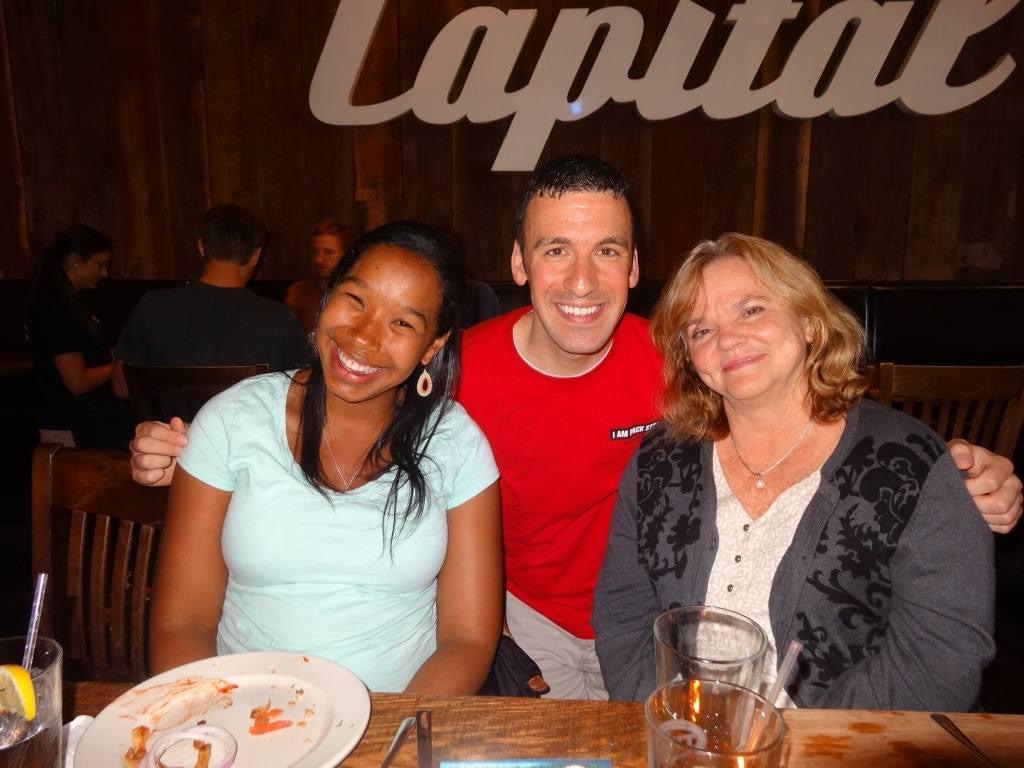
At 25, I was brand new to North Carolina, brand new to my district and still a few years into my career in public education. I was learning a new community, building relationships and trying to figure out where this next chapter of life would take me.

My lens was completely different. A fresh young adult from small town Ohio teaching third grade in one of the largest school districts

I was eager. I was ambitious. I wanted to make a difference and prove myself. I was excited about the opportunities ahead and ready to embrace whatever challenges came next.

What I did not fully understand at the time was how much the people around me would shape this journey.

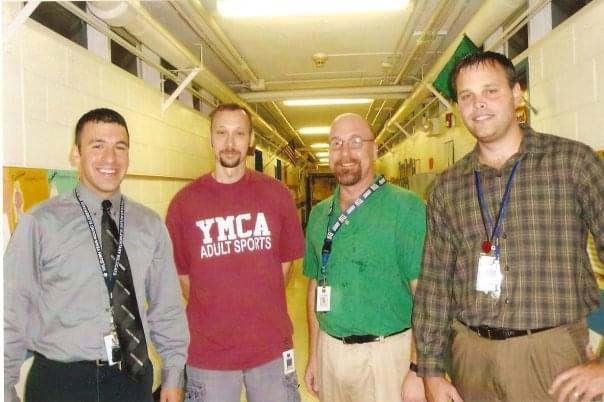
Those early colleagues welcomed me in, invested in me and helped make a place that was unfamiliar start to feel like home. They shared their knowledge, offered encouragement and reminded me that even in a new place, you are never truly starting over when you are surrounded by good people.

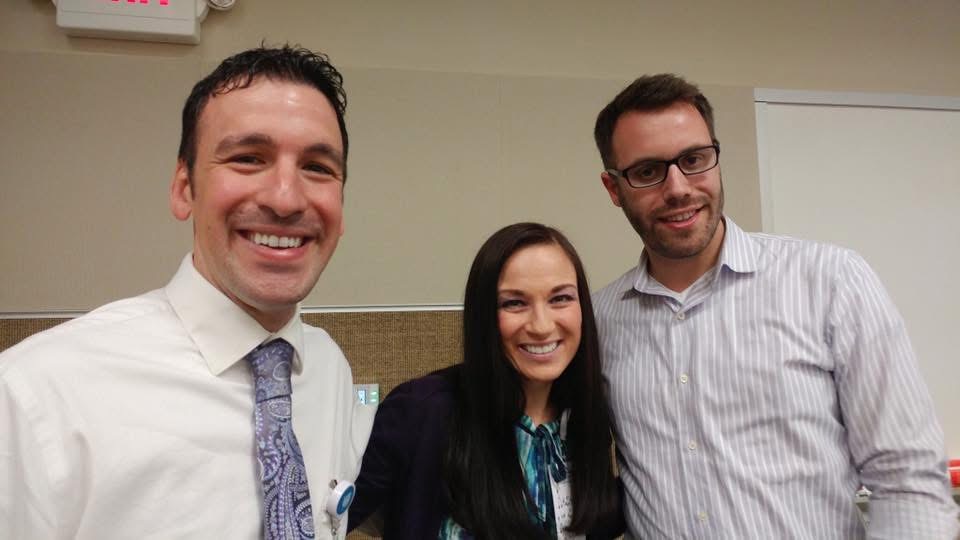
Many of those relationships began as professional connections but became so much more. More than 20 years later, some of those same people are still lifelong friends, even though our careers have taken different paths and life has brought us different experiences. We have celebrated successes, supported each other through challenges and watched each other grow through different seasons of life.

Looking back, those relationships were one of the greatest gifts of starting over somewhere new.

At that point in my life, I thought success was measured by progress. The next opportunity. The next accomplishment. The next milestone. I was focused on building a career, establishing myself and finding my place in a community that was still new to me.

And there is nothing wrong with that mindset. In many ways, that drive helped shape who I became.

But time has a way of changing your perspective.

At 45, I still have ambition. I still have goals. I still believe there is more ahead. But I measure success differently than I did two decades ago.

I care less about what is visible and more about what is meaningful. I care less about proving myself and more about being present. I care less about the next accomplishment and more about the impact left behind.

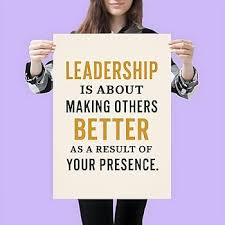
Early in my career, growth often meant moving forward. It meant learning more, taking on new challenges and continuing to build a career. Those things still matter. But after more than 20 years in education, I have learned that leadership is not defined by a title, a position or a role.

It is defined by the people who are better because you were part of their journey.

The moments I remember most are not always the accomplishments that can be listed on a resume. They are the conversations. The student who needed someone to believe in them. The teacher who needed encouragement. The colleague who stepped into leadership because someone saw potential in them.

The older I get, the more I realize leadership is not about being the person in front of the room. It is about helping others find the confidence to step into the room themselves.

I have also learned that being busy is not the same as being successful.

At 25, I often measured progress by how much I could accomplish. A full schedule felt like momentum. Taking on more responsibilities felt like growth.

And while hard work and commitment are important, I have learned that some of the most meaningful moments in life do not happen between meetings or on a calendar.

A conversation over coffee. A long workout. A quiet evening at home. A record spinning in the background. Time spent with people who matter.

Those moments are not distractions from life. They are life.

Over the years, I have become much more intentional about creating space to disconnect and recharge. Not because I care less about the work, but because I understand that taking care of myself allows me to continue showing up for others.

I have also learned there is freedom in no longer needing everyone to understand your path.

At 25, I was building a life in a place that was still new to me. I had left what was familiar, moved away from where I grew up and was creating a future that looked different from what I had known.
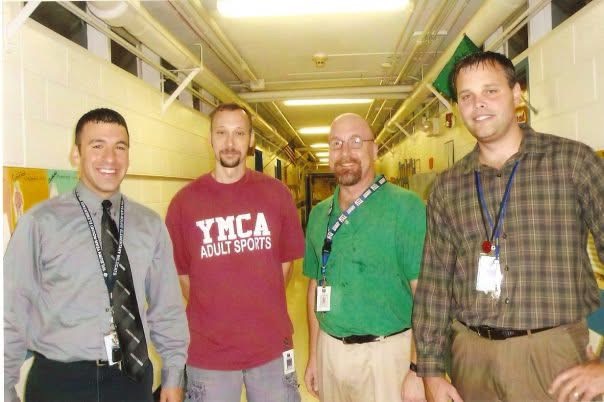
I did not have every answer. I simply knew I was ready for something different.

Looking back, some of the best decisions in life are not always the ones that make the most sense on paper. They are the ones that align with who you are becoming.

There is a difference between seeking approval and seeking alignment.

The older I get, the less interested I am in convincing people that my choices make sense. I am much more interested in making sure they make sense for the life I am building.

Perhaps the biggest lesson I have learned is that relationships matter more than accomplishments.

The degrees, promotions, awards and milestones are meaningful. They represent hard work and commitment. But the things I value most are the people who have walked alongside me.

The mentors who invested in me. The colleagues who became friends. The students who reminded me why this work matters. The people who showed up during both the exciting seasons and the difficult ones.

No accomplishment means as much without people to share it with.

At 25, I thought life was about becoming someone.

At 45, I realize it is about becoming more fully myself.

I still have goals. I still have ambition. I still believe some of the best chapters are ahead.

But success looks different now.

It is found in meaningful relationships. In work that matters. In being present. In staying true to who I am while continuing to grow.

The road ahead is still unfolding and thankfully there is still plenty left to learn.

In a world of posts, choose presence in the work that matters

Spend a few minutes scrolling any social platform and you will see it. Promotion announcements, milestone celebrations, polished reflections on success. Education is no exception. In many ways it has become part of the rhythm. Do the work, then share the work.

There is value in that. Celebrating students, staff, and community matters.

But I keep coming back to the moments that never make it online.

A quiet conversation with a student who just needed someone to listen.
A teacher staying late because they care, not because anyone will notice.
Families fully engaged in a school event, present with each other instead of documenting it.

Those are the moments that stay with you. Most of them never get posted.

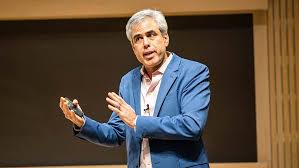
Social platforms are not neutral spaces. They are designed environments. Renowned psychologist Jonathan Haidt (https://jonathanhaidt.com/) has written extensively about how the rise of smartphones and social media, especially since the early 2010s, has reshaped how people experience connection, validation, and even identity. His work points to clear increases in anxiety and depressive symptoms among young people during that same period, trends that closely align with constant access to these platforms and the feedback loops they create.

It is not just about students. It is about all of us.

When attention is the currency, behavior adjusts. We share more. We think about how something will be received while we are still experiencing it. We start to measure impact through engagement. At some point it becomes harder to tell the difference between doing meaningful work and being seen doing meaningful work.

NYU professor, renowned podcaster and entrepreneur Scott Galloway (https://scottgalloway.profgmedia.com/) talks about this in a different way. He often points out how digital spaces have amplified status signaling. Success is no longer just something you experience. It is something you present. For many people, especially younger professionals, there is an added pressure to show progress in real time, even when that progress is still unfolding.

You can feel it across every corner of education – schools, district offices, and support areas alike. The quiet expectation to share wins, highlight momentum, and keep the narrative moving forward.

There is nothing inherently wrong with that. But it is worth asking where the line is between sharing and performing.

In schools, the work that matters most is rarely public.

It is relational. It builds over time. It is often invisible to anyone not directly involved.

The strongest leaders and educators I know are not focused on building a personal brand. They are focused on creating conditions where people can do their best work. Supporting staff when no one else sees it. Building trust with families over time. Showing up for students on the days that are not easy.

A lot of the most meaningful work happening across our schools and community would never translate into a post. That is not a gap. That is the point.

There is also a cost to always being on.

When everything becomes something to share, it changes how you experience it. Reflection can turn into reaction. Purpose can slowly shift toward perception. Even in spaces filled with good people doing important work, comparison finds a way in.

Haidt’s research speaks to the impact of those feedback loops on well being. Galloway’s work reinforces how they shape how we define success in the first place.

In education, where the work already asks a lot of you, that tension matters. The work is too important to be driven by optics.

I have been thinking more about what it looks like to be intentional here. To share when it adds value. To celebrate others without making it about myself. To recognize that not every meaningful moment needs to be documented to count.

Through my work in schools, across the community, and in alumni engagement, I have had the opportunity to be part of a lot of meaningful experiences. I am proud of that. At the same time, I am learning that the value of those moments is not determined by how they perform online. It is determined by who they impact and whether that impact lasts.

It might be worth rethinking how we measure leadership.

Not by visibility, but by consistency.
Not by engagement, but by trust.
Not by how often we are seen, but by how often we show up.

Social platforms are not going anywhere. They can be useful and they can build real connection when used with purpose. But the best leaders I know are not focused on being noticed. They are focused on making sure others are.

There is nothing wrong with sharing your work. But not all work needs an audience to be meaningful.

In a space that constantly pulls for attention, there is something steady about choosing impact.

Lead well when no one is watching. That is the part that actually lasts.

Kicking off 2025-26 on the right foot

Summer planning is winding down. More and more faculty members are making their way into the building the past few weeks to get a jump on creating hallway signage, arranging classroom spaces, planning, etc. Our staff kickoff is a matter of days away and our students return in a week. 2025-26 is coming.

There are countless advice articles out there from ASCD and other reputable sources ahead of a new school year for faculty and staff of all walks to get information from. A sampling:

https://www.edutopia.org/article/realistic-goal-setting-teachers/

https://steinhardt.nyu.edu/ihdsc/path-program/path-perspectives/top-10-tips-starting-school-year-strong

https://www.edutopia.org/article/school-leaders-back-to-school-resources/

This is an exciting time but can easily be overwhelming even for veteran educators. So much to do, so little time before the students arrive in a matter of days. So many boxes to check — district, state and federal mandated items, building specific areas, time and space with grade level and content teams — the list goes on. This can be stressful.

Routines. To assist routines are essential. Start them before the school year begins on a smaller scale to get “in the swing” of things. getting enough sleep, eating healthy, and exercising regularly all items I’ve blogged about in the past. 

Positive thoughts. Focusing on the positive aspects of returning to school, like seeing colleagues, students, families and learning new things, can assist in counteracting negative thoughts.

As a school leader specifically there are a long list of items I try my best to utilize to support the faculty and staff I lead in the beginning of the year and ongoing. These include…

1. Cultivate a Culture of Trust and Transparency:

  • Build strong relationships. Prioritize building positive relationships with staff, students, and families from the outset. Essential early, often and ongoing. Authentic.
  • Open communication. Create a culture where open and honest communication is encouraged, fostering a sense of security and belonging. Teamwork – approachability, willingness to listen, while being open to adapting.
  • Transparency. Be transparent about your vision, goals, and decision-making processes. 
  • Regular check-ins. Hold regular meetings, both formal and informal, to facilitate open dialogue and address concerns. 

2. Set Clear Goals and Expectations:

  • Define a shared vision. Articulate a clear vision for the school year, ensuring it aligns with the needs of the school and community.
  • Establish authentic goals. Work with your team to set specific, measurable, achievable, relevant, and time-bound goals for the school year that are both authentic and meaningful.
  • Communicate roles and responsibilities. Clearly define the roles and responsibilities of each team member in achieving the shared goals.

3. Provide Support and Resources:

  • Coaching and mentoring: Offer coaching and mentoring to help staff develop their leadership skills and build confidence. As I’ve blogged about in the past, this is truly a win-win as a leader – building capacity in others while increasing their confidence and scope as professionals.

4. Lead by Example:

  • Model positive behaviors. Demonstrate the behaviors and attitudes you want to see in your staff and students. Professional, model what you want from the professionals you lead.
  • Be a lifelong learner. Show my own commitment to continuous learning and improvement, inspiring others to do the same. 
  • Celebrate successes. Acknowledge and celebrate both individual and collective achievements, creating a positive and motivating atmosphere. Small or large – celebrate the wins.

5. Embrace Adaptability and Resilience:

  • Be flexible. Be prepared to adapt to changing circumstances and adjust your plans as needed.
  • Maintain a positive attitude. Cultivate a positive and optimistic outlook, even in the face of adversity. This can be easier said than done some days but as a school leader — eyes are always watching. Attitude is everything — especially in this role.

Here is to a wonderful new school year. We’ve got this.

Passing it on. The power in building capacity in others.

As I reach well into the halfway point of my career in public education it’s easy to get caught up in the hustle and bustle of the day to day and lose track of the years and where I’ve come within the profession. Our work can be heavy. Fast-paced with so many twists and turns.

I’ve been so grateful to have so many who have poured into me over my nearly 20 school years in education. Both in my own K-12 career and in my education prep program at my beloved Wilmington College over 20 years ago, my graduate program at NC State University and from so many amazing educators within our district, throughout the area and beyond. Blessed doesn’t begin to scratch the surface throughout my career with the amount of support, love and care that’s been bestowed upon me throughout my time as an educator throughout my various roles.

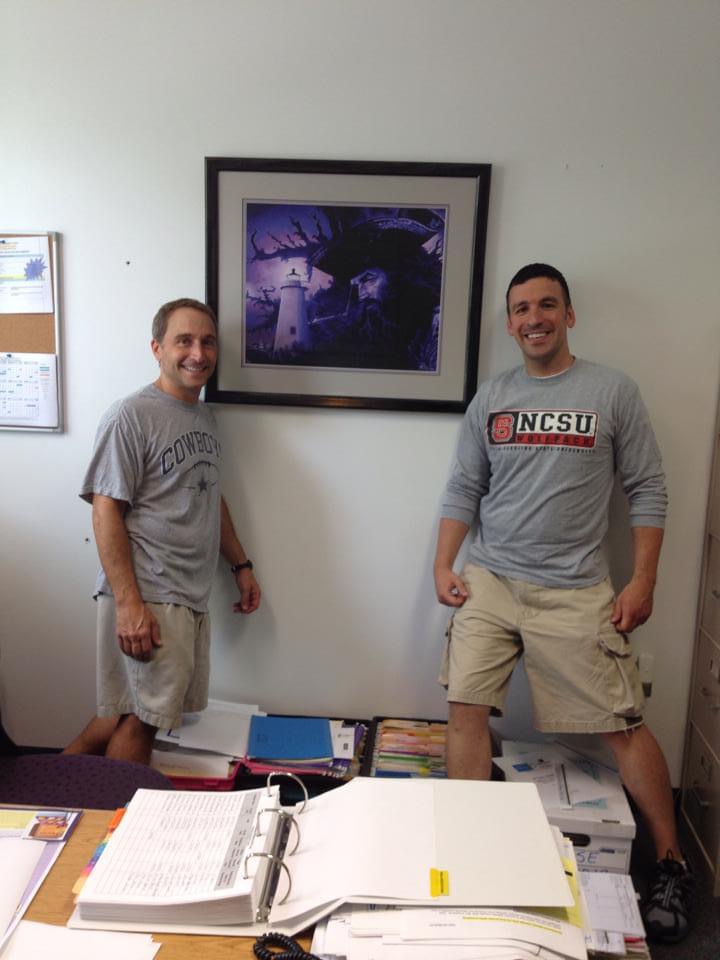
No matter how busy we get I never once lose sight of all that so many have put into me over the years. In my office I have photos of many that have had significant impacts – college professors, administrators who are mentors, teachers who have believed in me when the times got tough, the list goes on. These photos help keep me going on and serve as inspiration outside of the students and families we all serve, of course.

Those teachers who put so much into a wide-eyed 3rd grade teacher brand new to the state and the city all those years ago. I thought I knew so much coming out of undergrad only to find out the real world was so different in our profession. They helped me not only survive – but thrive.

Fast forward to my current role. That first year teacher who student taught with us my first year as an assistant principal, then was able to get a position with us the next school year. She quickly found out the that first year is tough, tough, tough. I was always her biggest cheerleader through all the bumps and stumbles. Coaching, adding value, she took that feedback and now several years later is legit one of the greatest educators I’ve ever worked with and an incredible teacher leader for not only the grade level but our entire school community. The pride in that is so powerful.

No matter how busy life gets, I also find time to pour into others. One of my greatest joys as an administrator is building capacity in teachers. Seeing things in them that they might not realize. Building teacher leaders is empowering — on both ends. Even if it means these educators might have to leave your building to grow professionally.

Taking time to have conversations with educators to let them know what you see in them specifically (well beyond generic “thanks for all you do” type talks) and how they can/should enhance what they’re doing instructionally into a broader role. Increasing capacity as a professional. At the middle school level this can be — a team lead, content chair for the grade level or possibly school-wide, becoming a mentor to beginning teachers through the district, etc., the list goes on.

Time is precious but carving it out to have these conversations, write the detailed notes of appreciation, giving authentic gratitude and just providing – time and space to let our peers know we see them and really value their work — while offering career increases can go such a long way.

We all put in so much. Giving a little bit more to build up our people is truly invaluable.

I’m grateful for my people both in my past and currently and also for those that I serve. Truly. Actions > words.